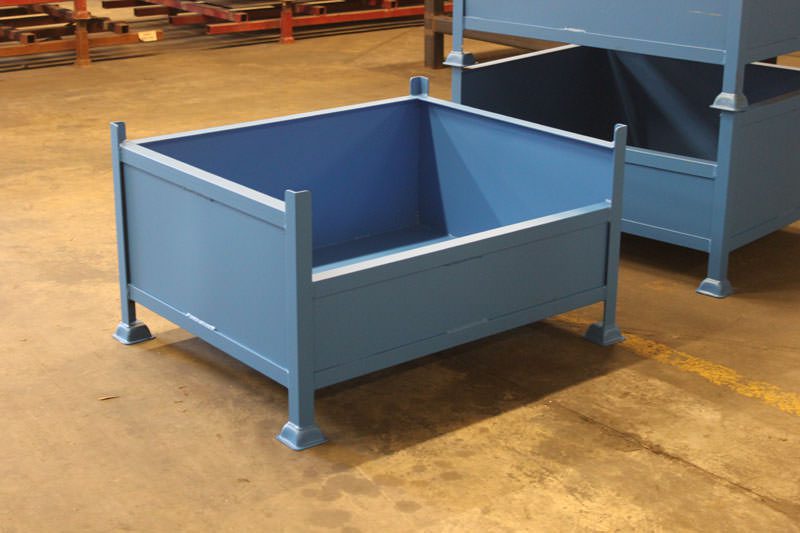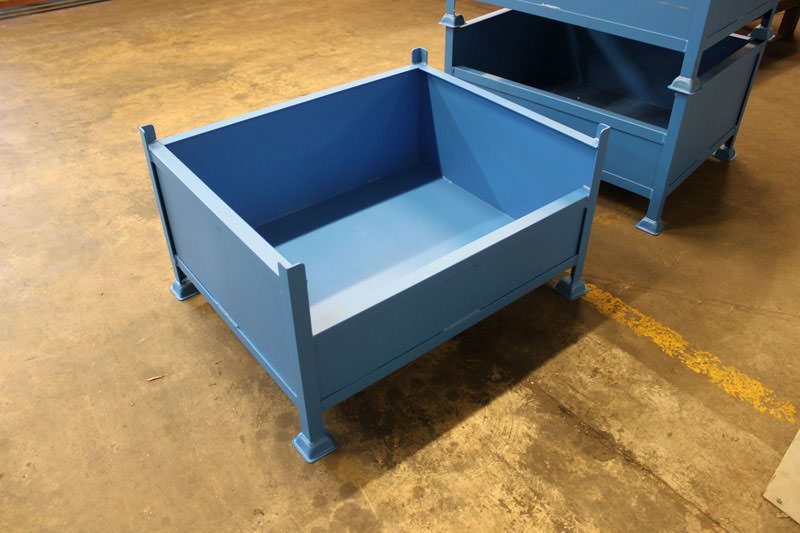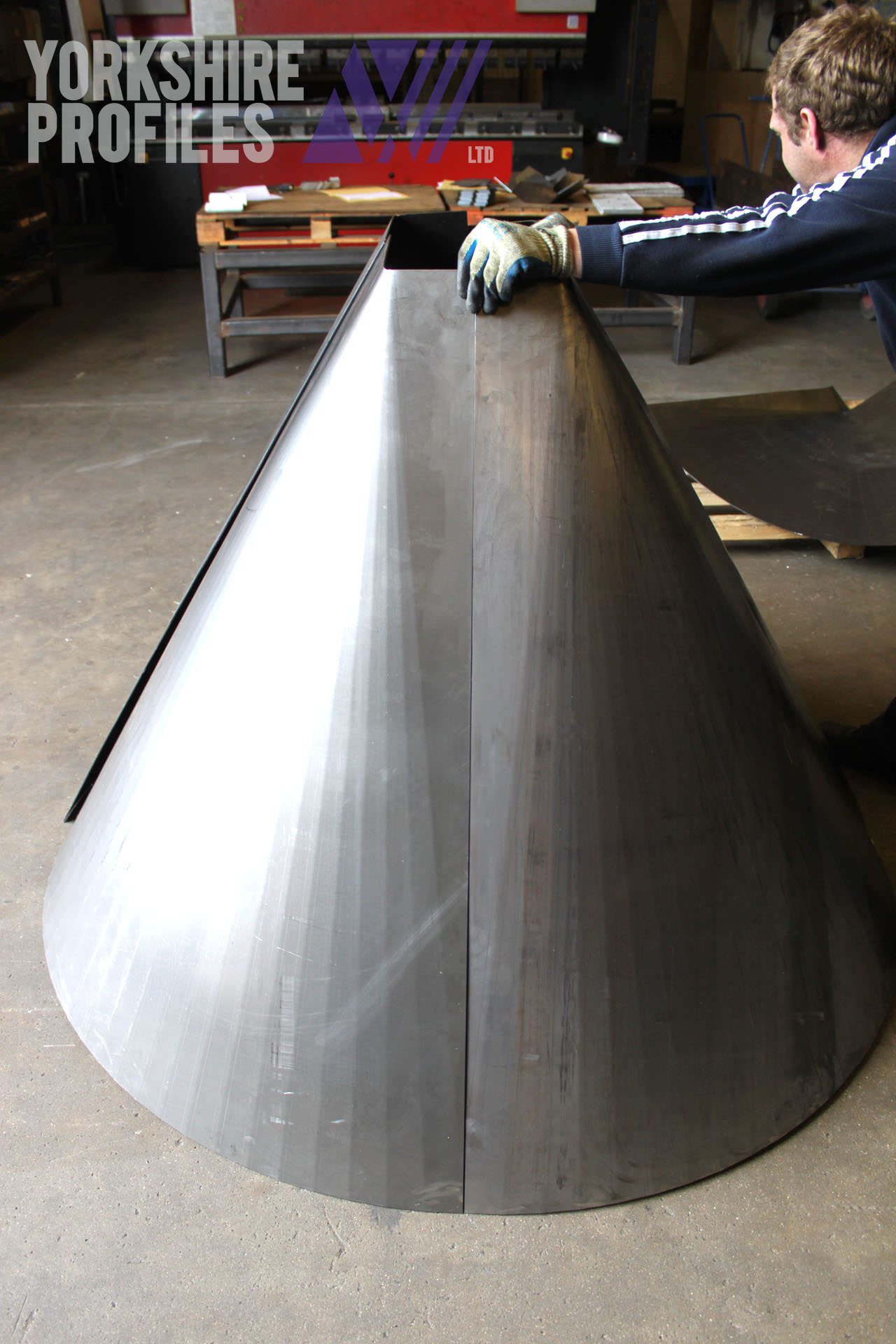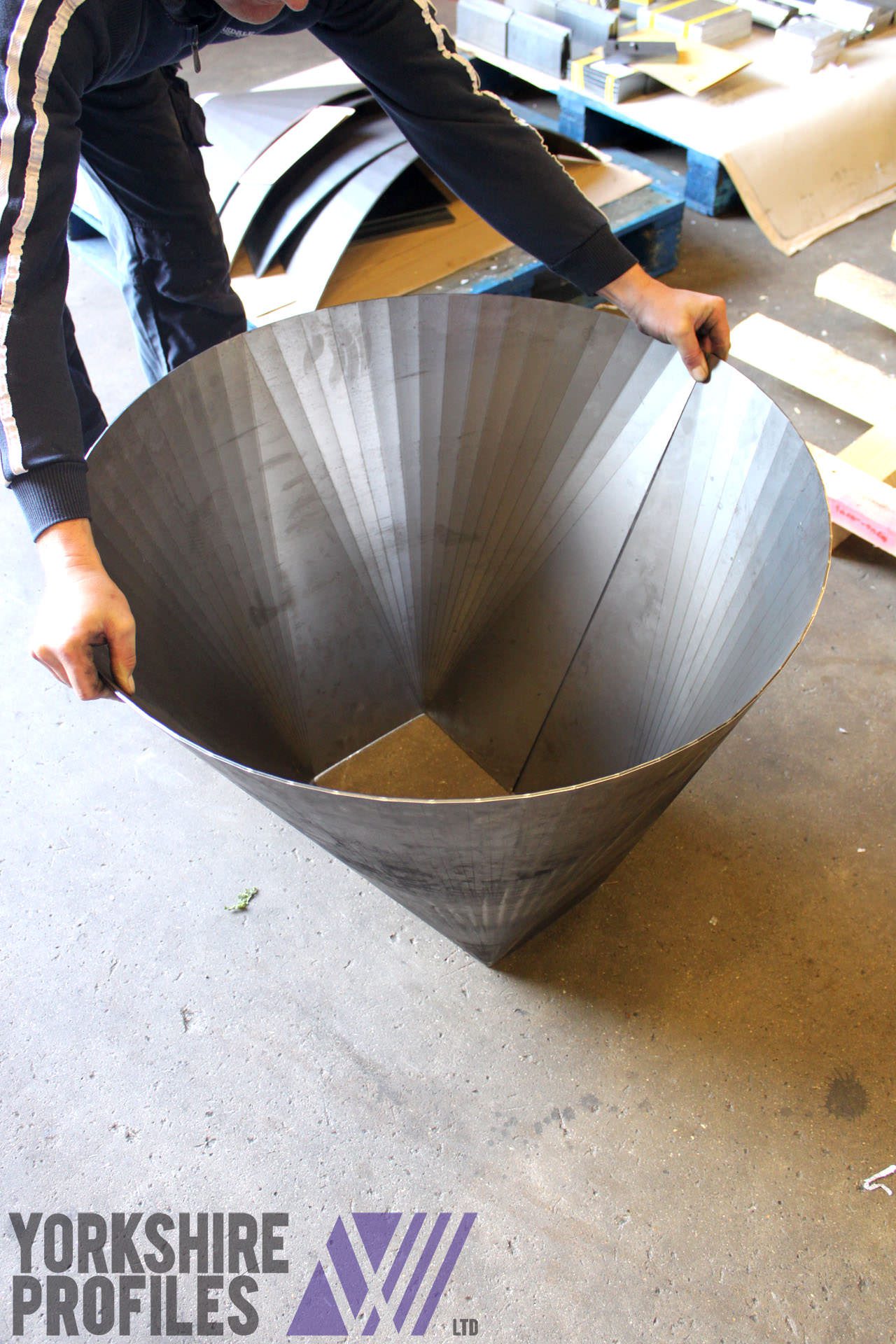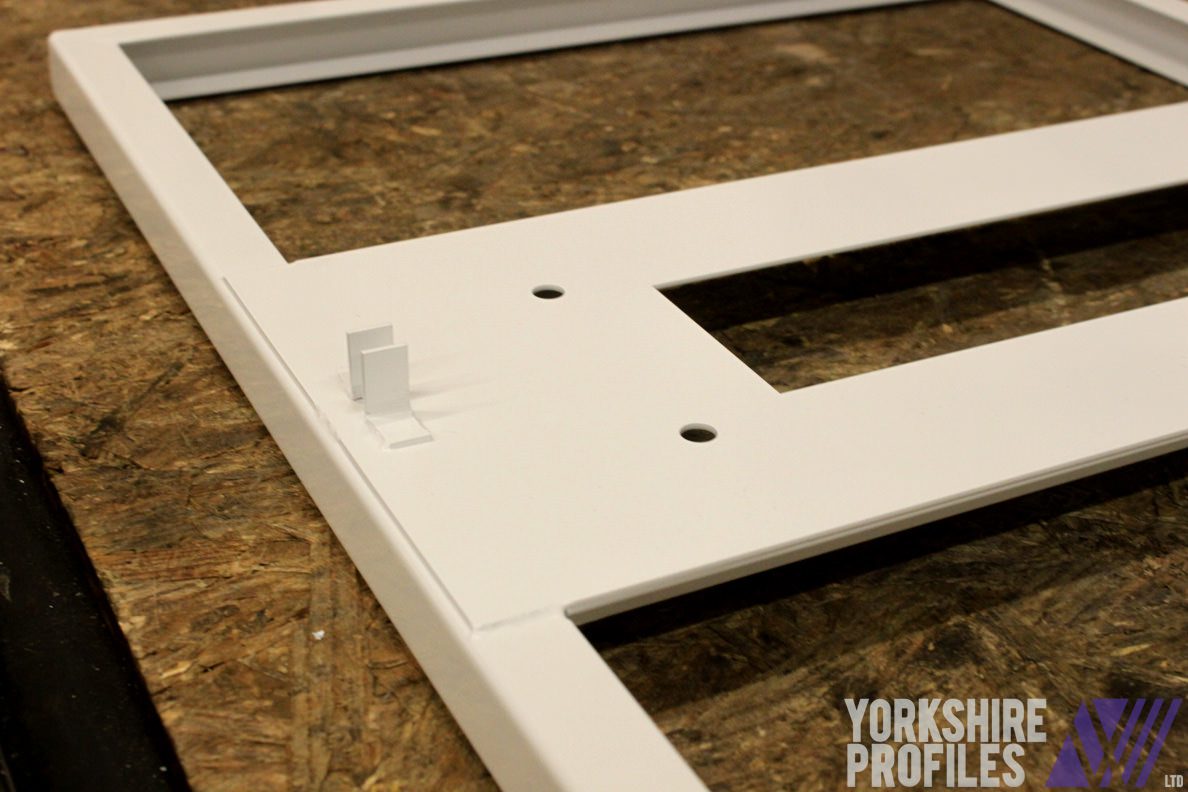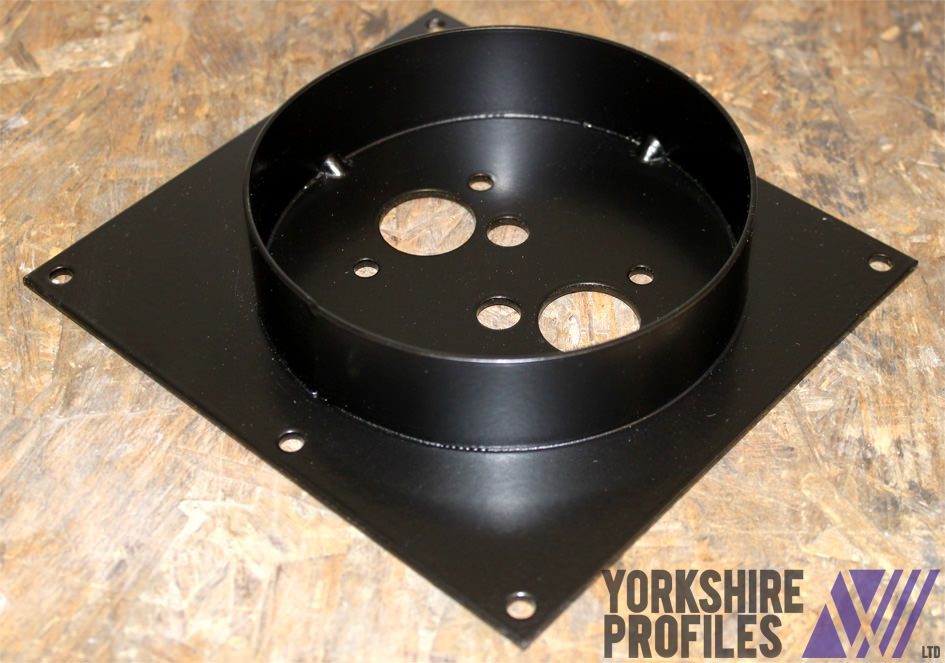
Mild steel is one of the most commonly processed materials at Yorkshire Profiles, and we provide precision laser cutting and fabrication across a wide range of sheet and plate specifications.
Depending on the industry, drawing or material standard, similar materials may be described as mild steel, carbon steel, structural steel, hot rolled steel or cold rolled steel.
These terms are not always technically interchangeable, so where a particular grade is specified we manufacture to the material designation shown on the drawing or customer specification.
Common materials we process include S275, S355, cold rolled sheet, hot rolled sheet, Durbar-type floor plate, pre-galvanised steel and Zintec, together with specialist structural and pressure-vessel grades where required.
What Is Mild Steel?
Mild steel is a commonly used term for relatively low-carbon steels offering a practical combination of strength, formability, weldability and cost.
The relatively low carbon content makes these steels straightforward to cut, bend, weld and fabricate, which is why they are used throughout engineering and manufacturing.
Typical characteristics include:
- Good weldability
- Good formability
- Good machinability
- High availability
- Relatively low material cost
- Good strength for general engineering applications
- Excellent suitability for laser cutting and fabrication
Unlike stainless steel or aluminium, untreated mild steel has relatively poor atmospheric corrosion resistance and will rust when exposed to moisture and oxygen.
Finished components can therefore be protected using treatments such as powder coating, painting, galvanising, zinc plating or another appropriate surface treatment depending on the application.
Mild Steel, Carbon Steel and Structural Steel
The terminology surrounding mild steel can sometimes be confusing.
Mild steel generally refers to low-carbon steel suitable for general fabrication.
Carbon steel is a broader category covering steels where carbon is one of the principal alloying elements. Mild steel therefore falls within the wider carbon-steel family.
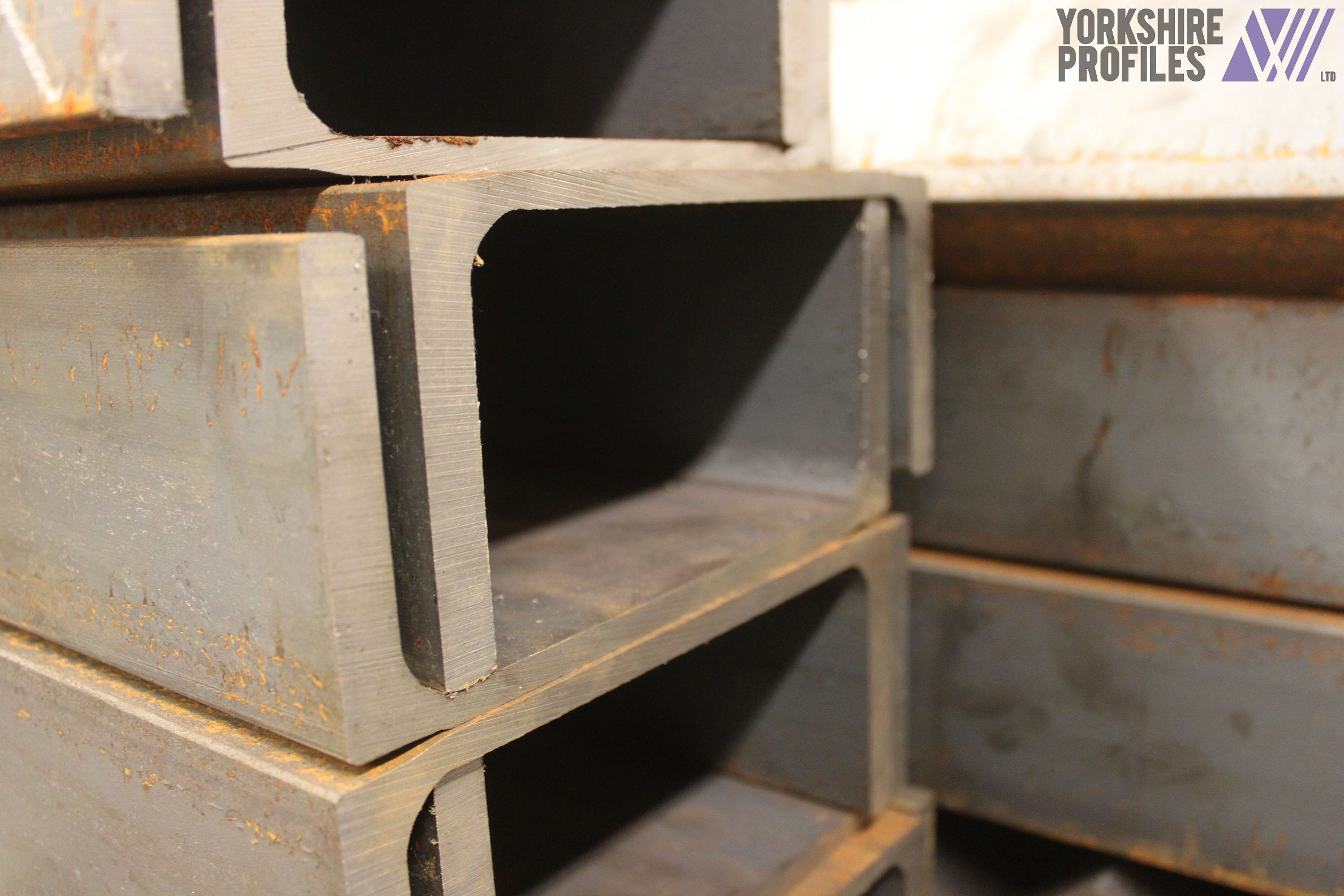
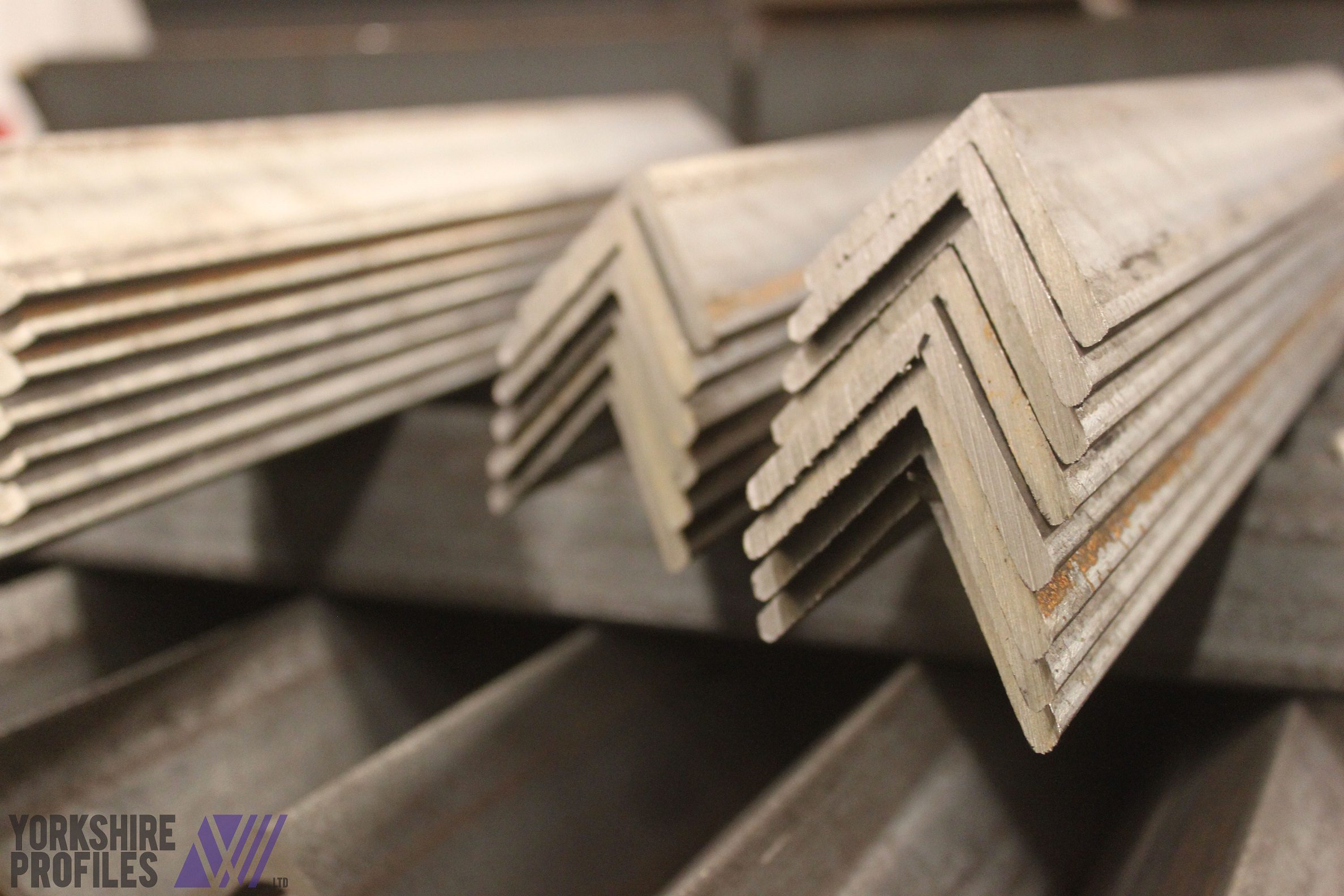
Structural steel refers to steels manufactured to defined mechanical-property standards for load-bearing and engineering applications.
Materials such as S275 and S355 are structural carbon steels manufactured to the EN 10025 family of standards.
Because these terms overlap, a customer might casually refer to an S275 plate as mild steel, carbon steel or structural steel. For manufacturing purposes, however, the actual material grade specified on the drawing is what matters.
S275 Structural Steel
S275 is one of the most commonly used structural steel grades in the UK.
The designation indicates a nominal minimum yield strength of approximately 275 MPa for thinner material, with the guaranteed value varying according to material thickness.
Common variants include:
- S275JR
- S275J0
- S275J2
S275 is widely used for:
- General fabricated components
- Brackets and supports
- Machinery
- Frames
- Structural components
- Agricultural equipment
- Construction equipment
- General engineering
Older UK drawings may also refer to grades such as 43A. This is a legacy British Standard designation and is often associated with modern S275 material.
However, old and new specifications should not automatically be treated as perfectly interchangeable. Where an older drawing calls for 43A or another obsolete designation, we can identify an appropriate currently available material based on the actual application and specification requirements.
S355 Structural Steel
S355 is a higher-strength structural steel commonly used where greater load-bearing capability is required.
Like S275, the number refers to its nominal minimum yield strength in thinner sections — approximately 355 MPa.
Common specifications include:
- S355JR
- S355J0
- S355J2
- S355J2+N
- Other normalised or thermomechanically rolled variants
Its higher strength can allow designers to achieve the required structural performance with appropriately designed components and, in some applications, reduce material thickness or component weight compared with lower-strength grades.
Typical applications include:
- Heavy machinery
- Structural fabrications
- Vehicle components
- Agricultural equipment
- Lifting equipment
- Construction machinery
- Load-bearing brackets and frames
- General heavy engineering
What Do JR, J0 and J2 Mean?
One of the most common sources of confusion with structural steel specifications is the group of letters following grades such as S275 and S355.
For example:
S355JR
S355J0
S355J2
The J designations relate to Charpy impact toughness testing rather than simply representing a different strength grade.
For the commonly encountered EN 10025 specifications:
- JR – minimum 27 J impact energy tested at +20°C
- J0 – minimum 27 J impact energy tested at 0°C
- J2 – minimum 27 J impact energy tested at -20°C
This becomes particularly important where steel will be used in colder environments or where impact toughness is an important part of the engineering specification.
Consequently, S355JR and S355J2 should not simply be substituted for one another because they share the same basic S355 strength designation.
What Does +N Mean?
Structural steel specifications can contain additional suffixes describing how the material has been manufactured or supplied.
For example:
S355J2+N
The +N indicates that the material has been supplied in a normalised or normalised-rolled condition.
Other delivery-condition suffixes may also appear depending on the steel specification.
Where these suffixes are included on a drawing, they form part of the material requirement and should not normally be ignored when sourcing the steel.
Hot Rolled Steel
Hot rolled steel is manufactured by rolling the steel at elevated temperature.
It is widely used for thicker sheet and plate and for general engineering applications where a perfectly smooth cosmetic surface is not required.
Hot rolled material typically has a darker mill-scale surface and is commonly used for:
- Brackets
- Machinery
- Structural components
- Base plates
- Frames
- Guards
- General fabricated components
Hot rolled describes the manufacturing and surface condition, rather than a specific mechanical grade.
For example, a hot rolled plate may also have a structural grade such as S275JR or S355J2.
Cold Rolled Steel
Cold rolled steel — often shortened to CR — is commonly used for thinner sheet-metal components.
Compared with conventional hot rolled material, cold rolled sheet generally offers:
- A smoother surface
- Tighter dimensional tolerances
- Good formability
- Good suitability for cosmetic components
- Excellent suitability for folding and fabrication
We commonly process cold rolled mild steel in thinner gauges, including material up to approximately 3mm, depending on specification.
It is widely used for:
- Enclosures
- Covers
- Cabinets
- Panels
- Brackets
- Furniture components
- General sheet-metal work
Cold rolled again describes the product form and manufacturing route rather than defining one single steel grade.
Floor Plate and Durbar
We can also laser cut patterned floor plate commonly referred to as Durbar plate, chequer plate or tread plate.
Durbar is a proprietary product name that has become widely used as a general term for raised-pattern steel floor plate.
The raised surface provides additional grip, making this material useful for:
- Walkways
- Platforms
- Steps
- Vehicle flooring
- Access panels
- Industrial flooring
- Machinery decks
Other floor-plate patterns and specifications can also be sourced where required.
Zintec and Electro-Galvanised Steel
Zintec is a commonly used UK term for thin sheet steel supplied with an electro-deposited zinc coating.
The zinc coating provides improved corrosion resistance compared with untreated mild steel while retaining a relatively smooth surface suitable for many fabricated products.
Typical applications include:
- Electrical enclosures
- Cabinets
- Panels
- Internal equipment
- HVAC components
- General sheet-metal fabrications
Laser cutting removes the protective coating along the cut edge, so subsequent corrosion protection may still need to be considered depending on the finished application.
Pre-Galvanised Steel
We can also process steel that has already received a zinc coating before fabrication.
Pre-galvanised sheet provides improved corrosion resistance compared with untreated carbon steel and is commonly used for:
- Ventilation equipment
- Enclosures
- Agricultural products
- Building components
- General outdoor and industrial products
As with other coated materials, laser cutting and subsequent fabrication expose areas where the coating has been removed, so the corrosion requirements of the finished component should be considered.
Boiler and Pressure-Vessel Grade Steel
We can also source and laser cut specialist steels intended for pressure vessels, boilers and elevated-temperature applications.
These materials are produced to different specifications from conventional S275 and S355 structural steels and may include grades manufactured to the EN 10028 series of standards.
Where boiler or pressure-vessel steel is required, the exact material designation should be specified rather than simply requesting “mild steel”.
Mild Steel Laser Cutting at Yorkshire Profiles
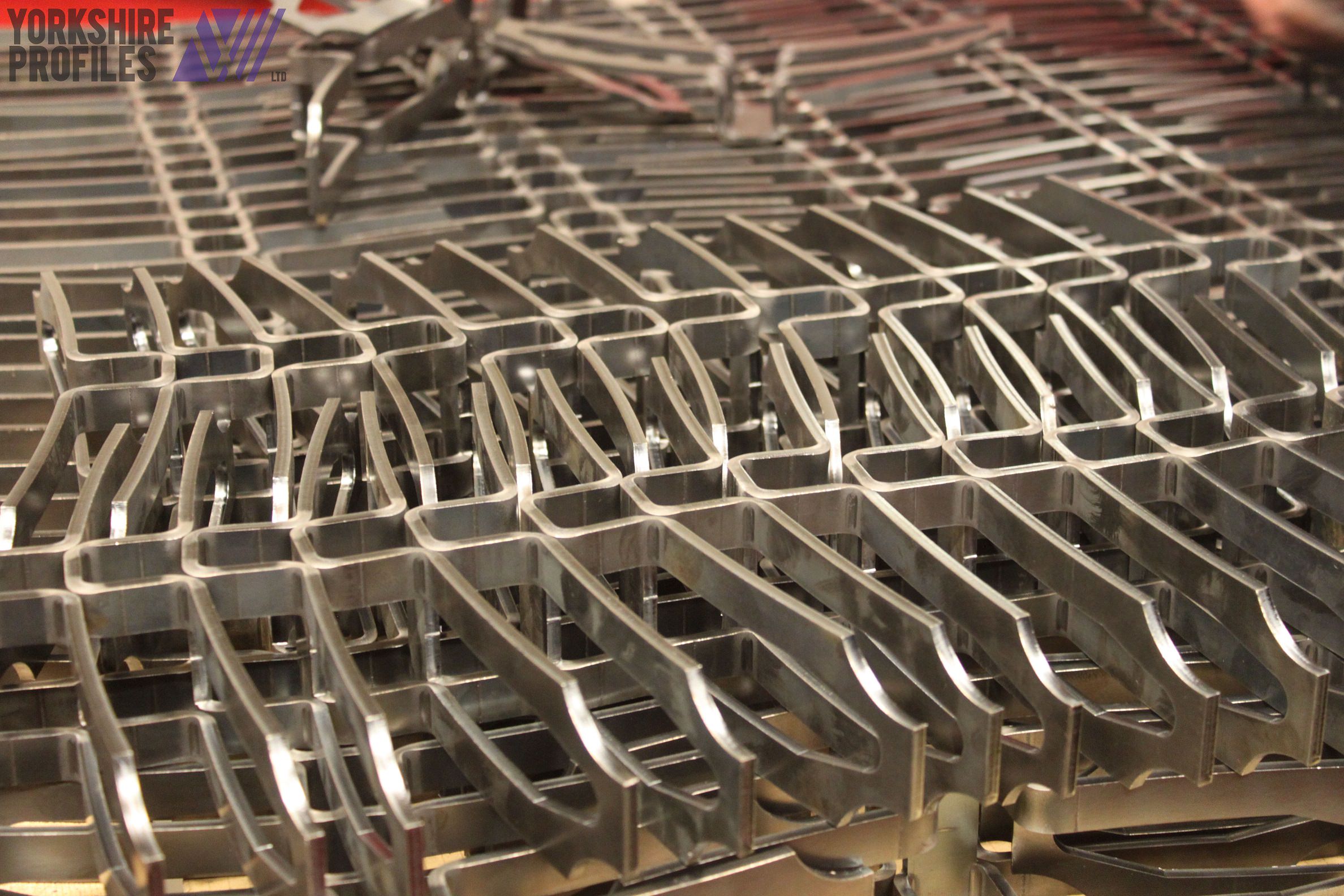
Our modern fibre laser cutting systems allow us to process mild and carbon steel quickly and accurately across a wide range of thicknesses.
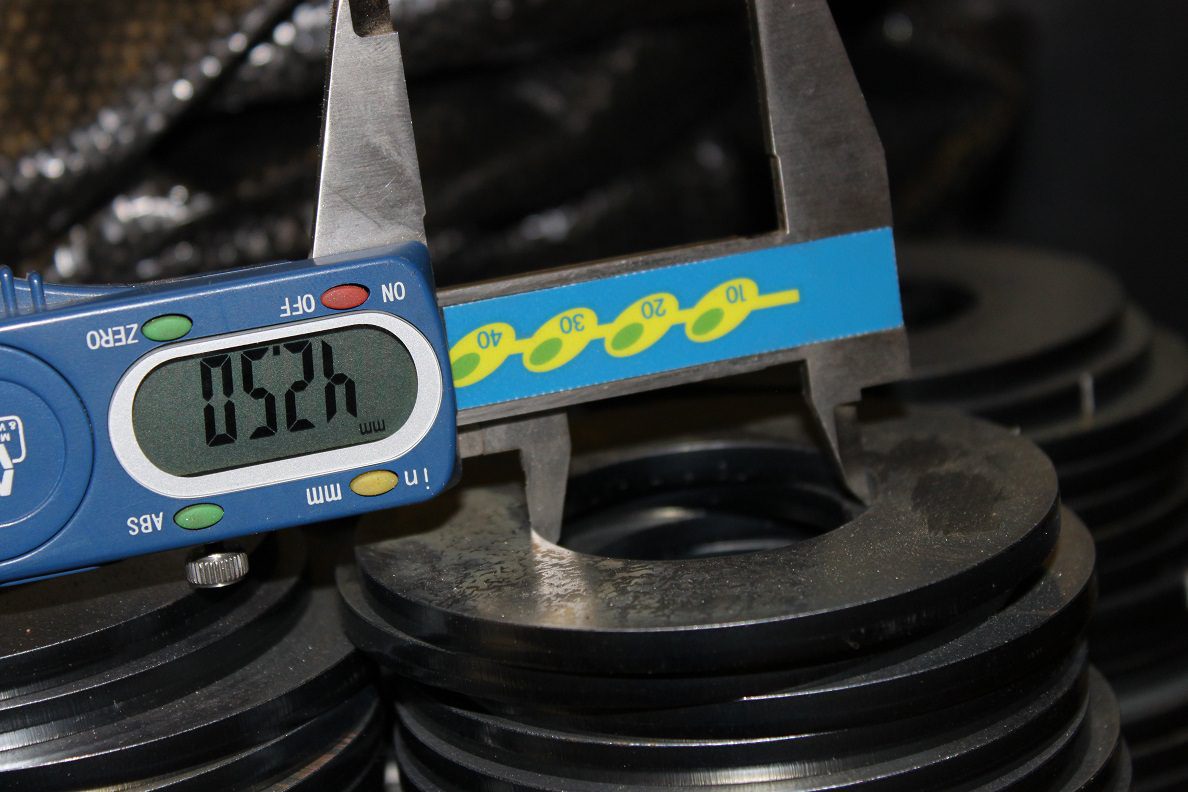
We can currently laser cut mild steel up to 20mm thick, subject to the material grade, component geometry and required edge characteristics.
Material is stored indoors prior to manufacture to minimise unnecessary exposure to moisture and surface corrosion.
Our additional in-house capabilities include:
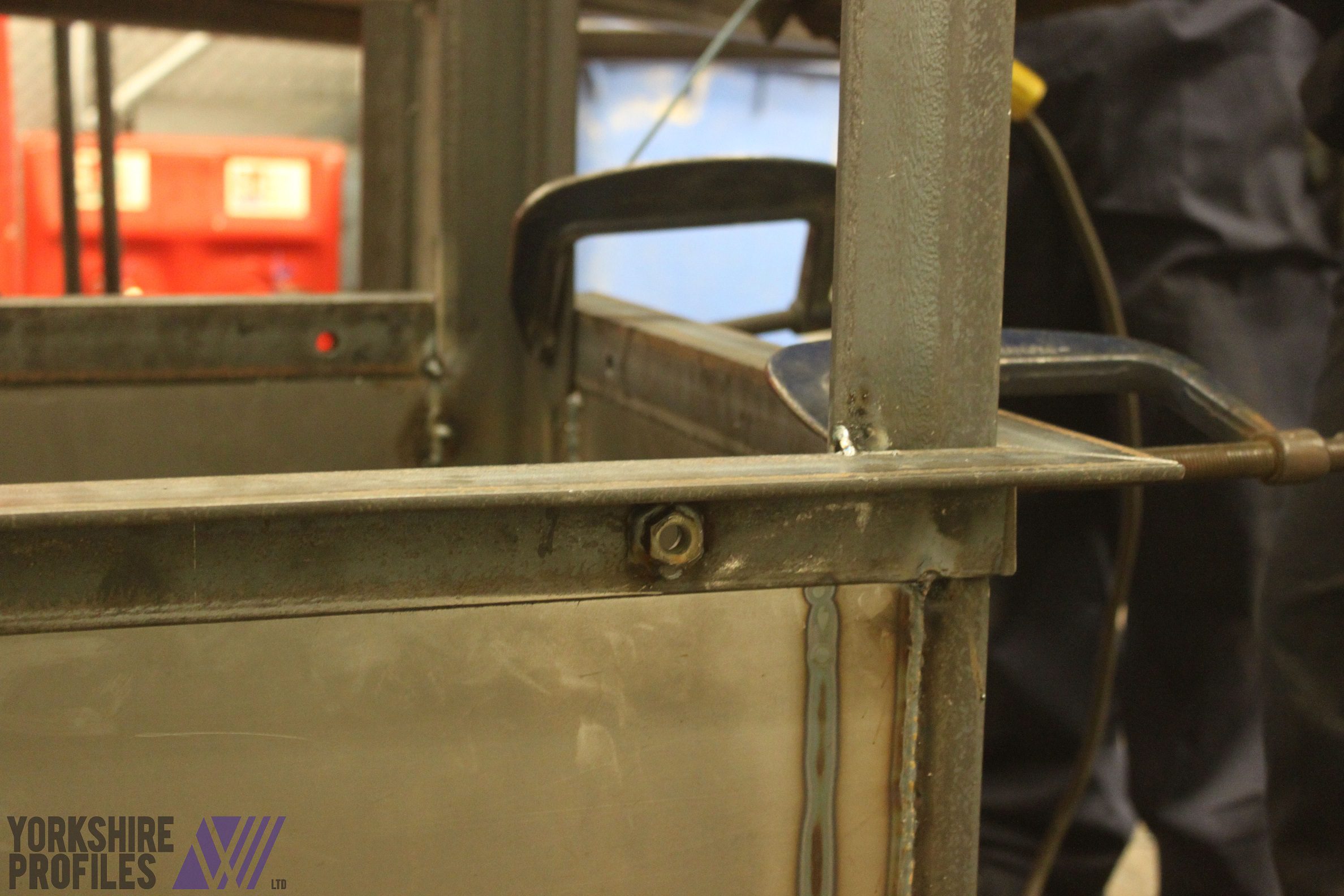
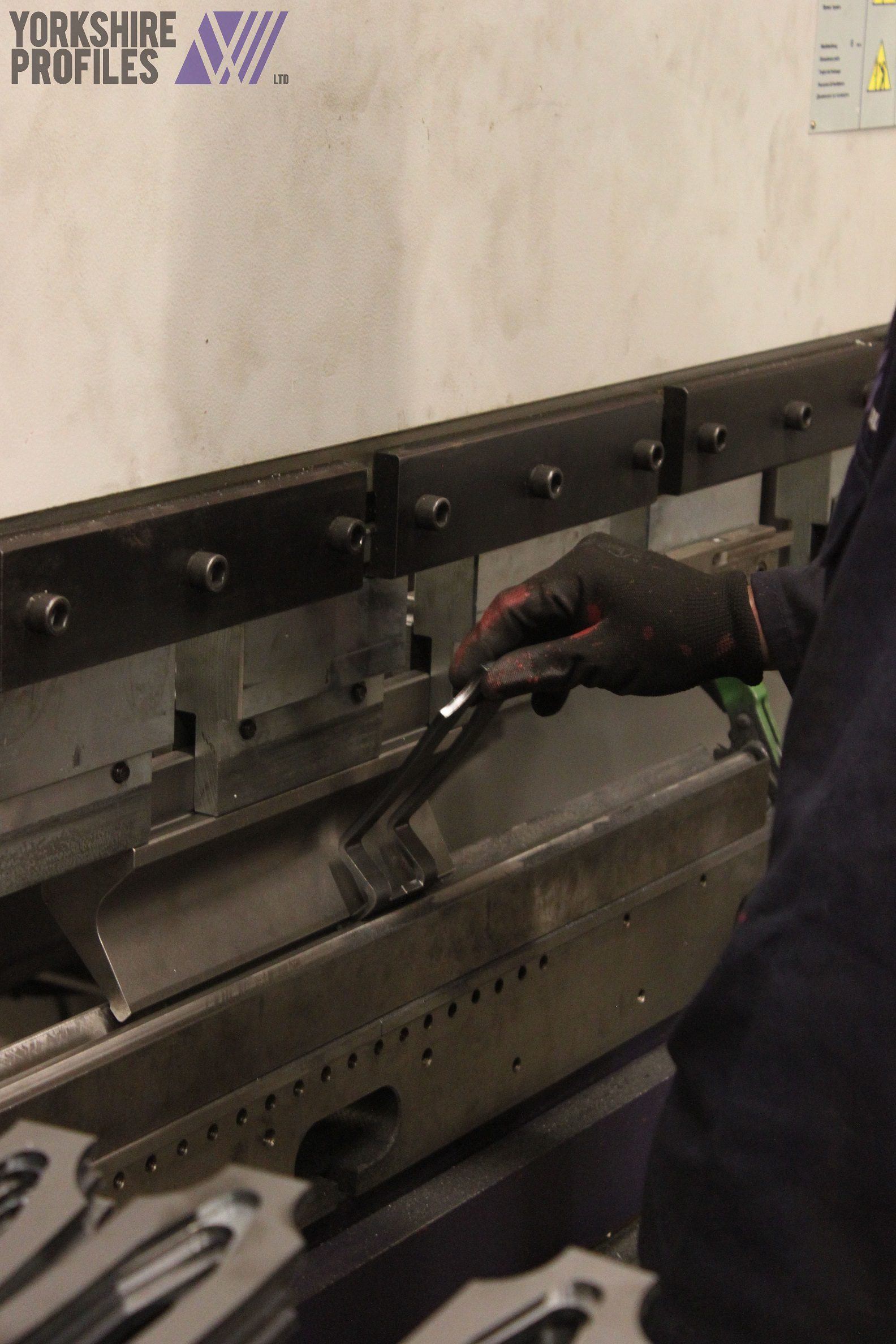
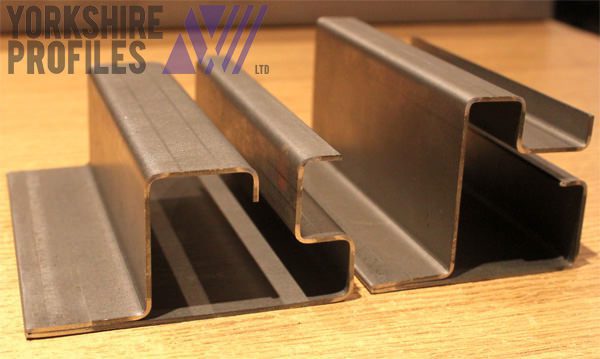
- CNC folding and press braking
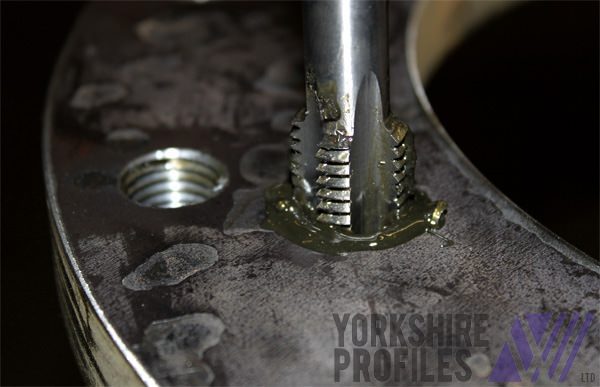
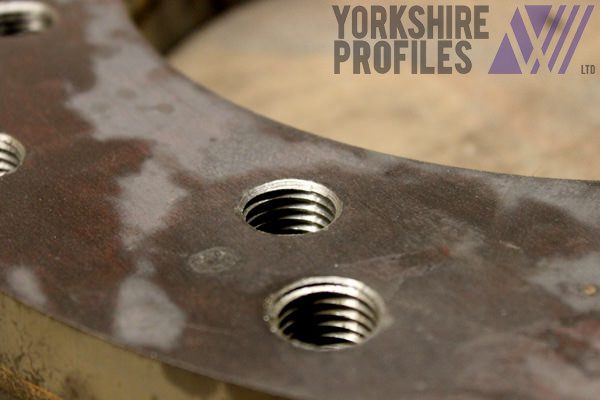
- Drilling and tapping
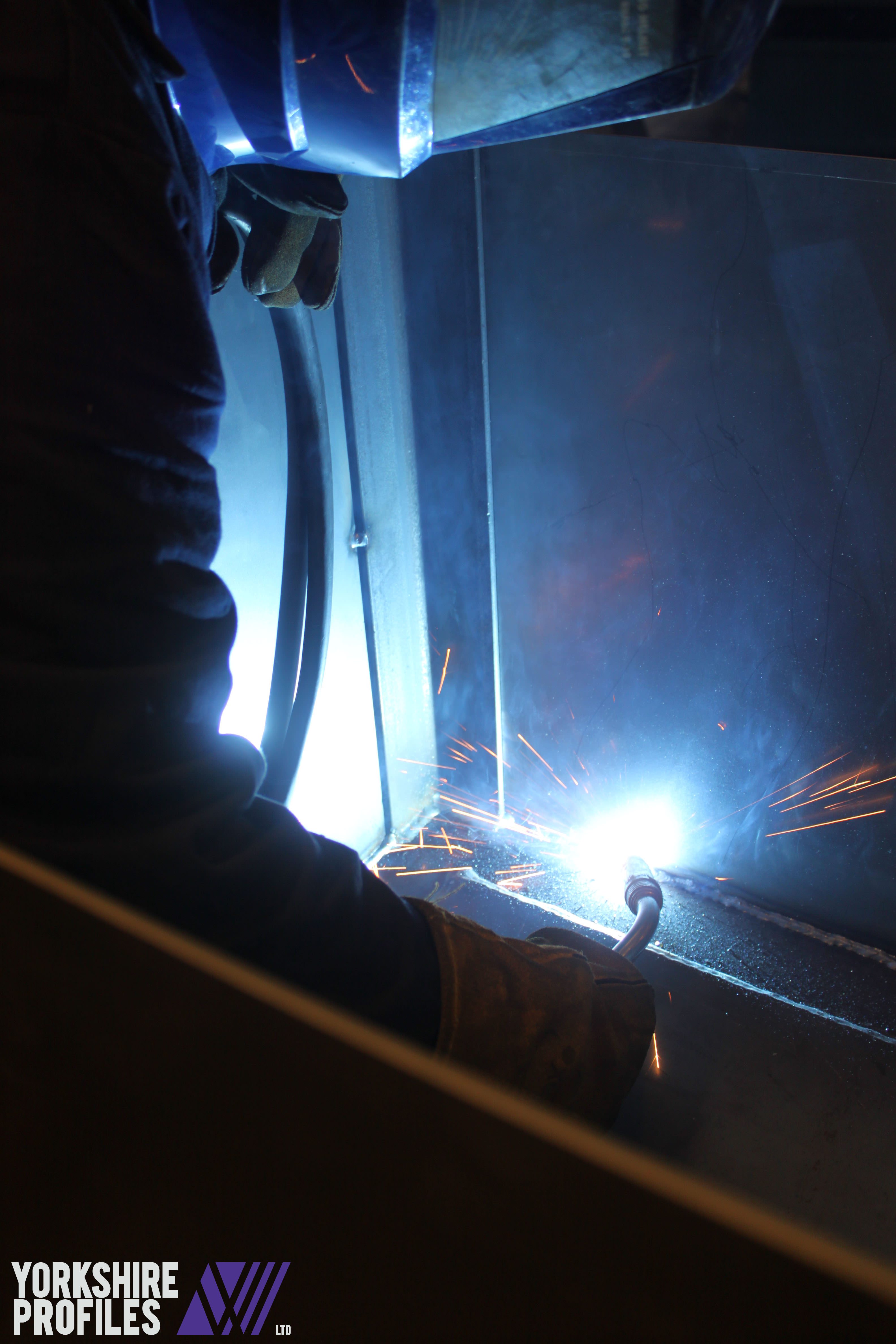
- Welding
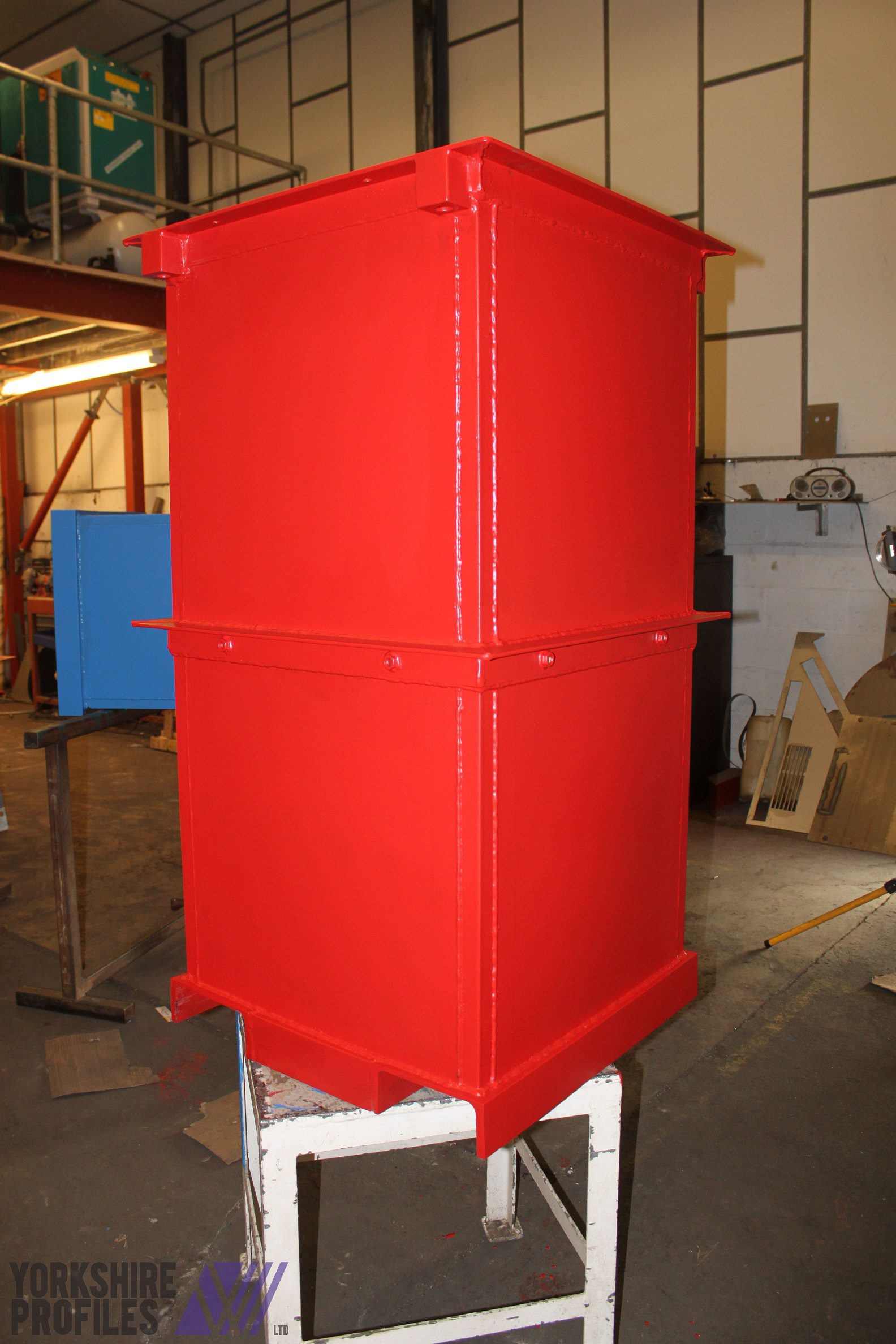
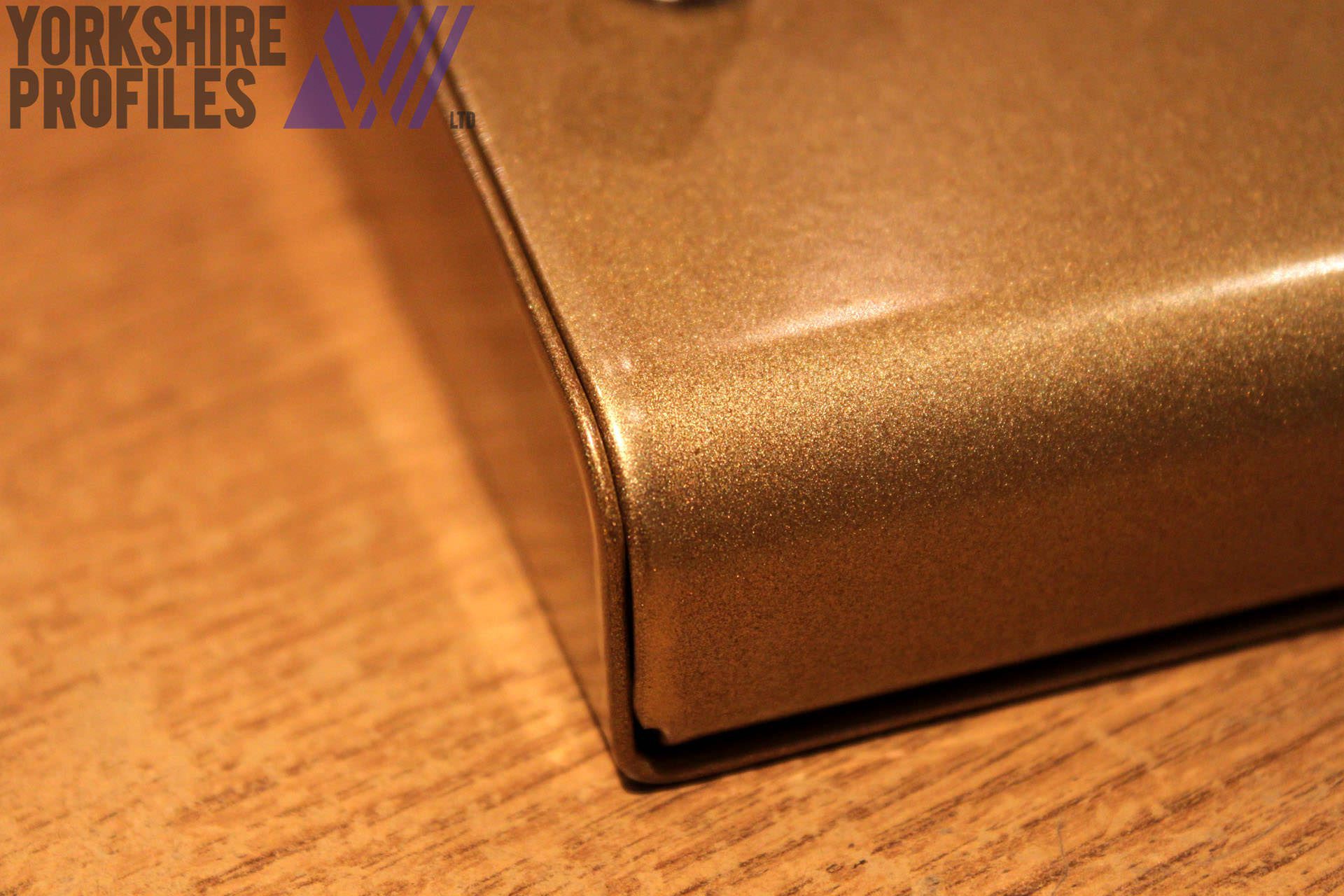
- Powder coating
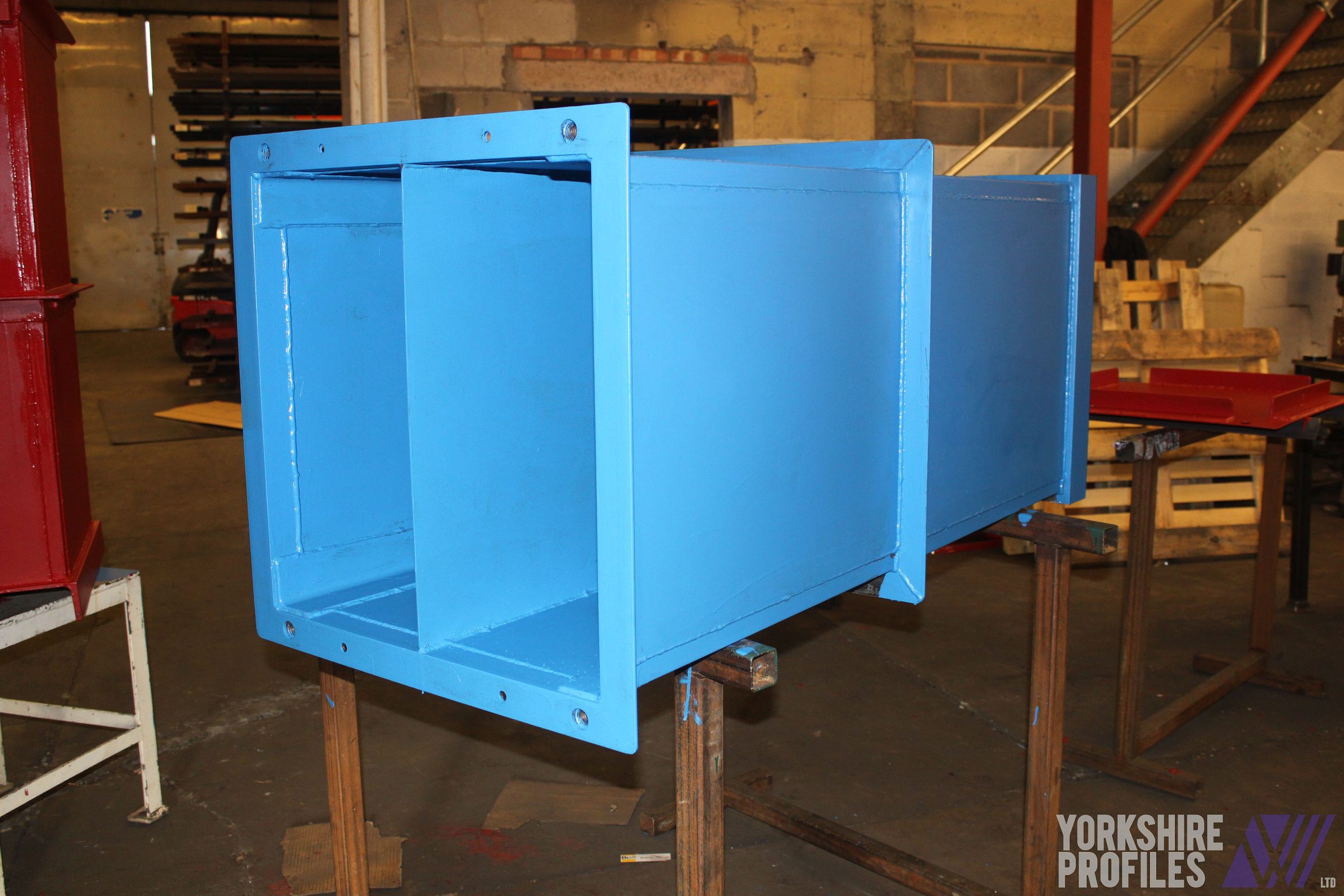
- Fabrication
- Assembly
This enables us to manufacture anything from individual laser-cut blanks through to completed fabricated and finished components.
We regularly supply and process:
- S275JR, S275J0 and S275J2
- S355JR, S355J0 and S355J2
- Cold rolled mild steel
- Hot rolled steel
- Floor plate / Durbar-type plate
- Zintec / electro-galvanised sheet
- Pre-galvanised steel
- Boiler and pressure-vessel grades
We can also source many other carbon and structural steel grades.
If your drawing uses an older British Standard, EN designation, material number, proprietary trade name or international equivalent, send us the specification and we can establish the appropriate material required.
If you require mild steel, carbon steel or structural steel laser cutting and fabrication:
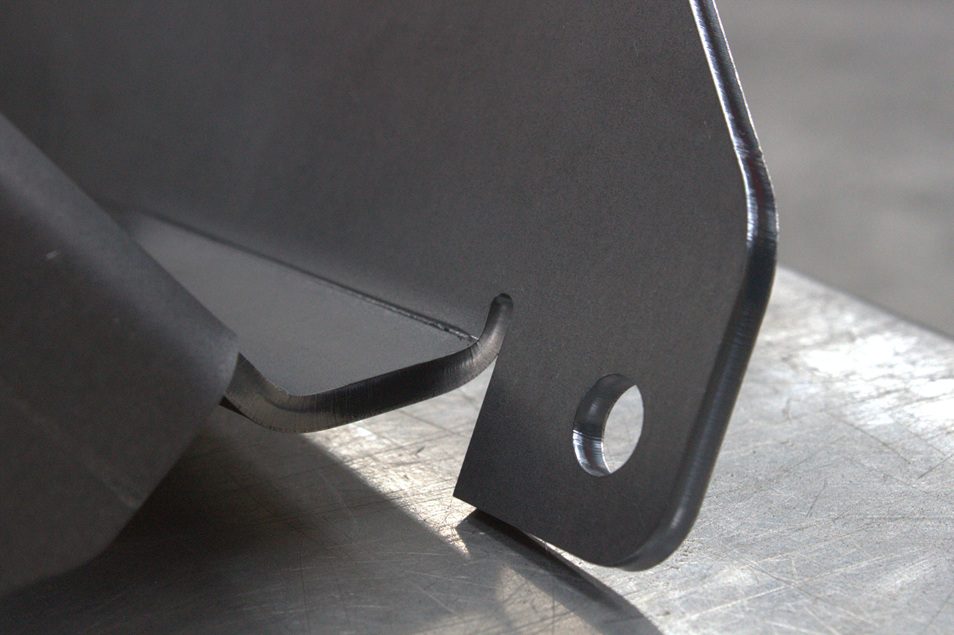
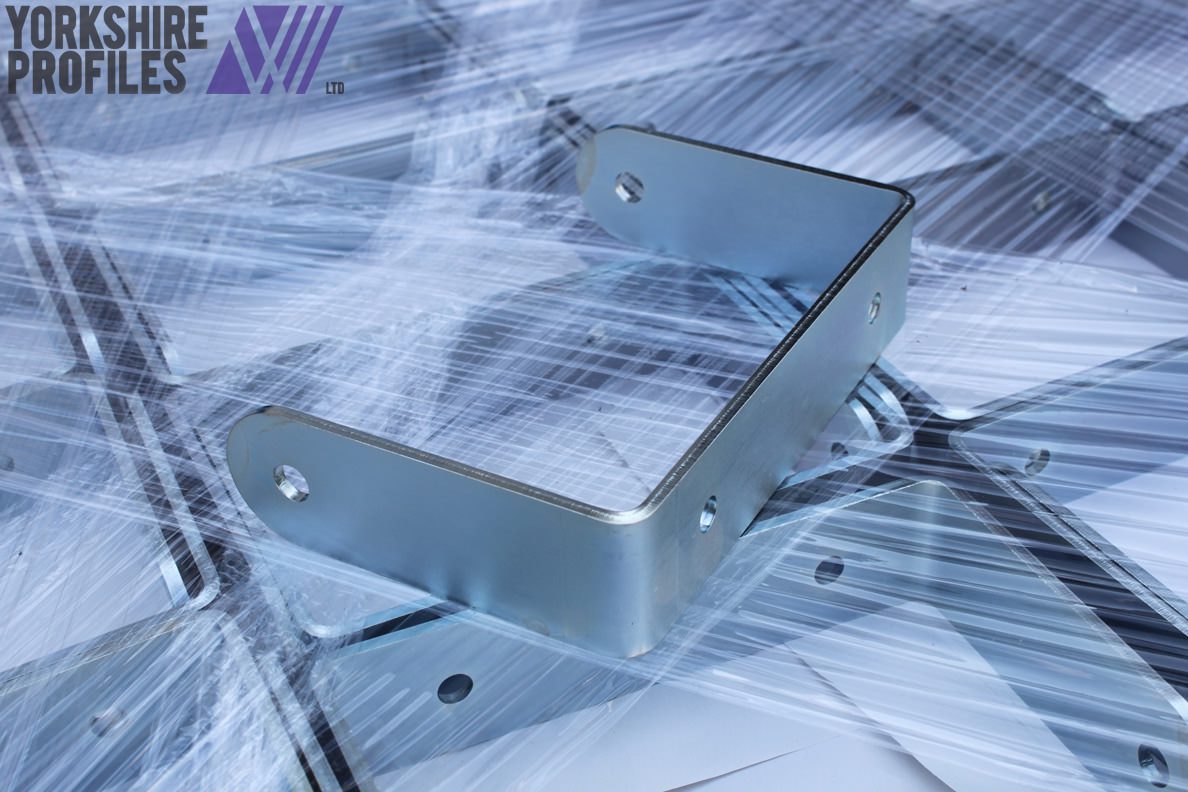
Processes: Laser Cut, Deburred, Sheet Metal Folding
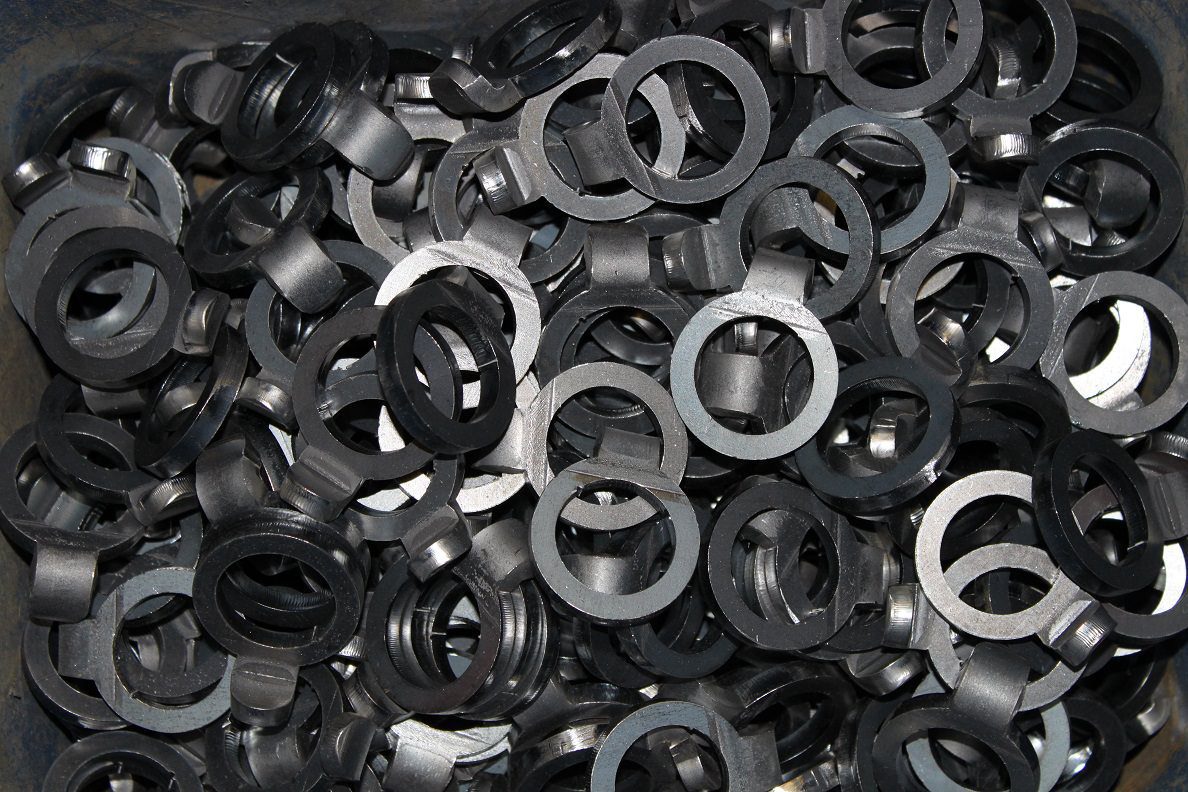
Detailing: Smooth consistent edges for industrial brackets.
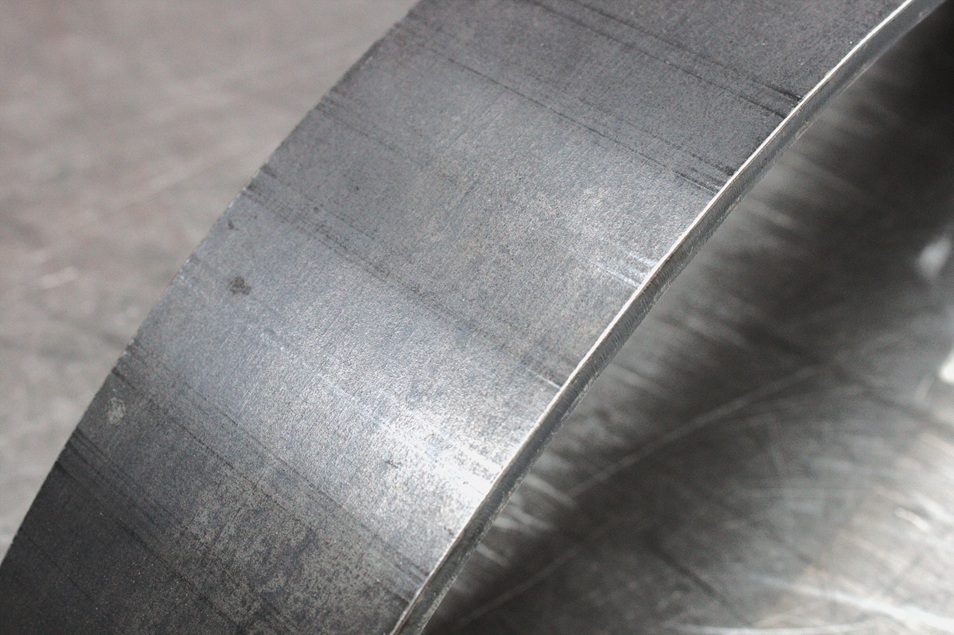
Processes: Laser Cut, Sheet Metal Folding
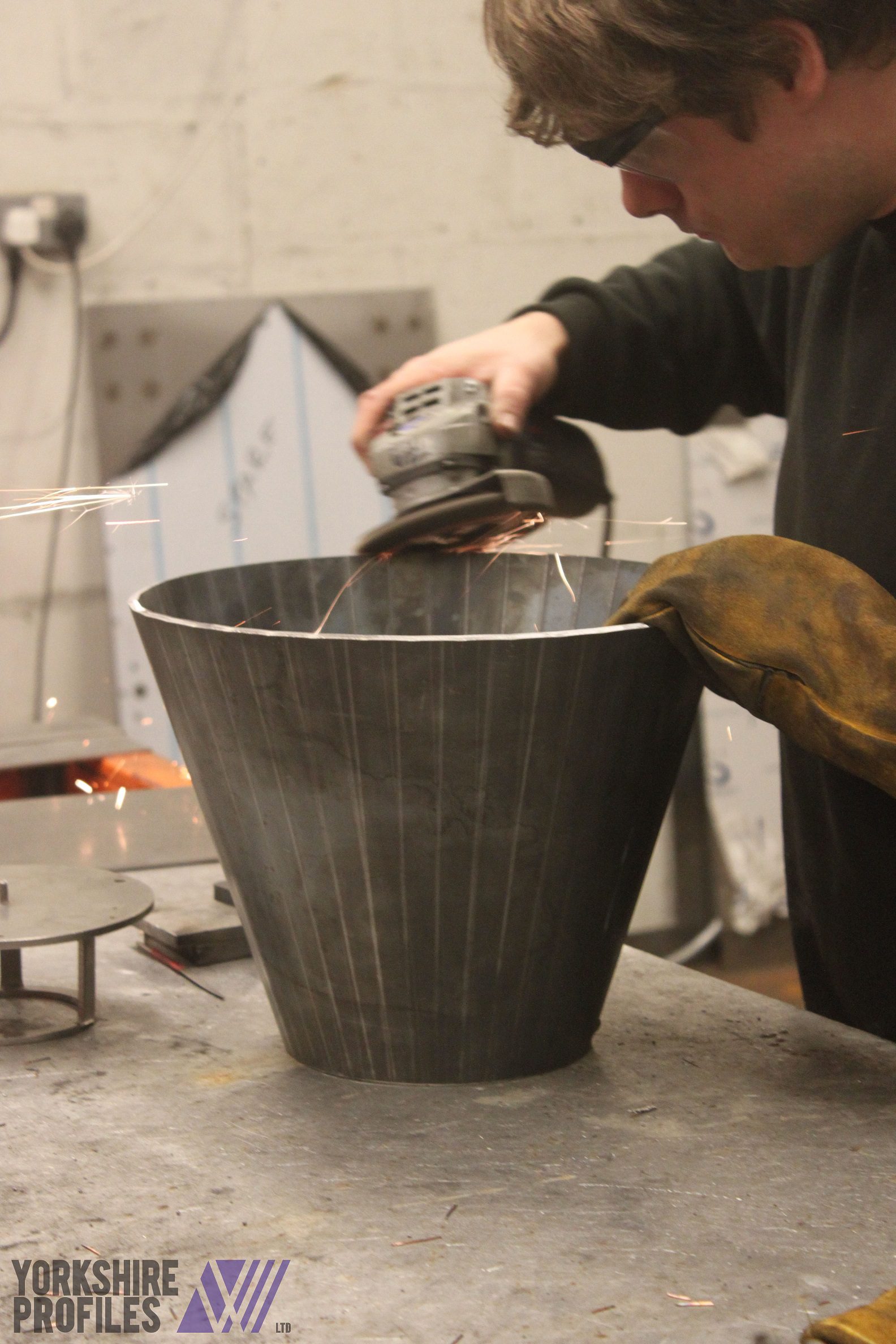
Detailing: Step bending is putting equal folds at equal distances to create a radius effect
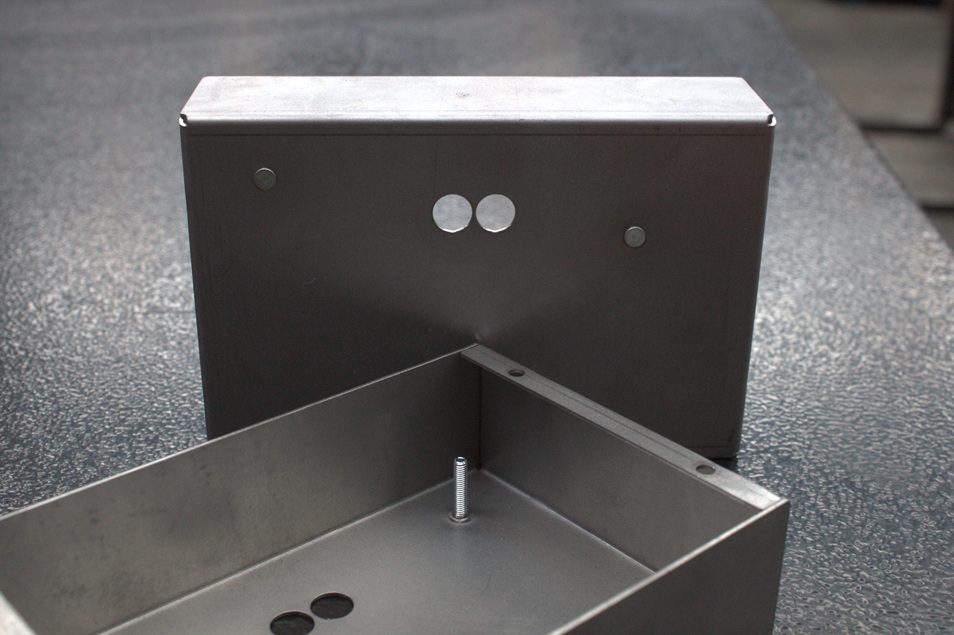
Processes: Laser Cut, Deburred, Sheet Metal Folding, Zinc Inserts
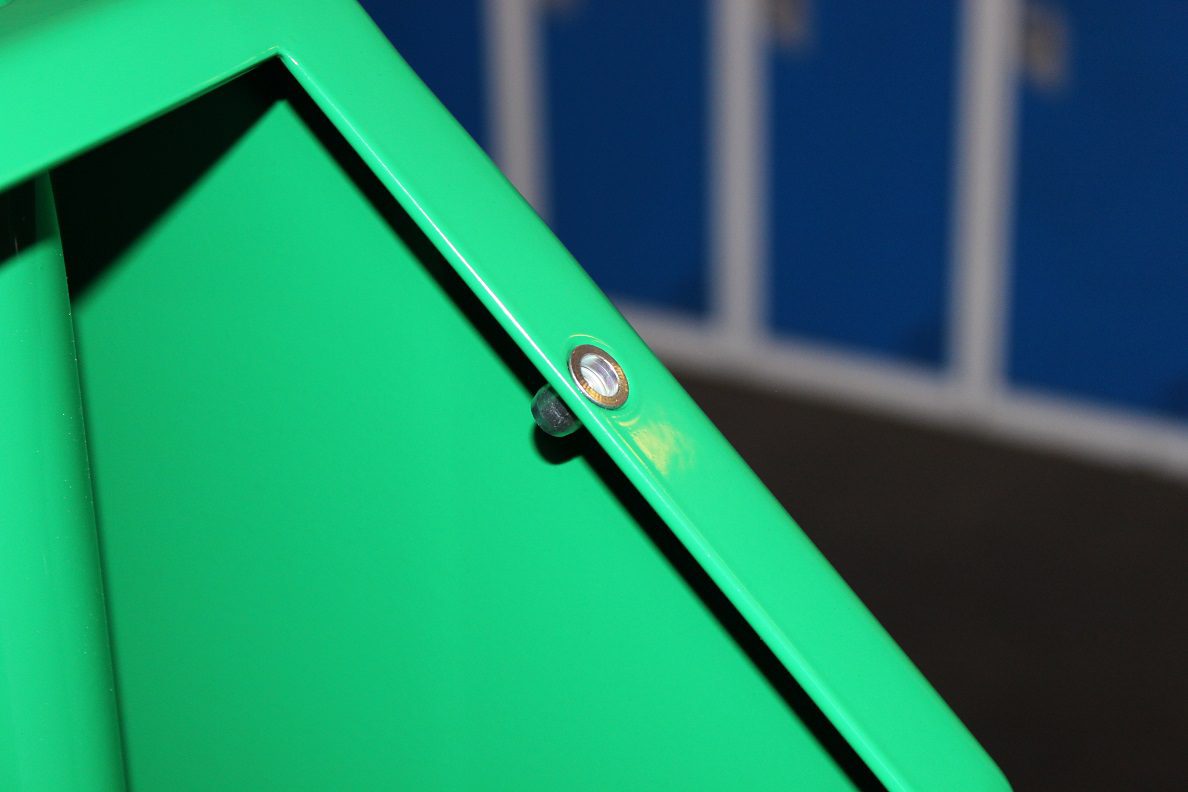
Detailing: Consistent folding for metal enclosures.
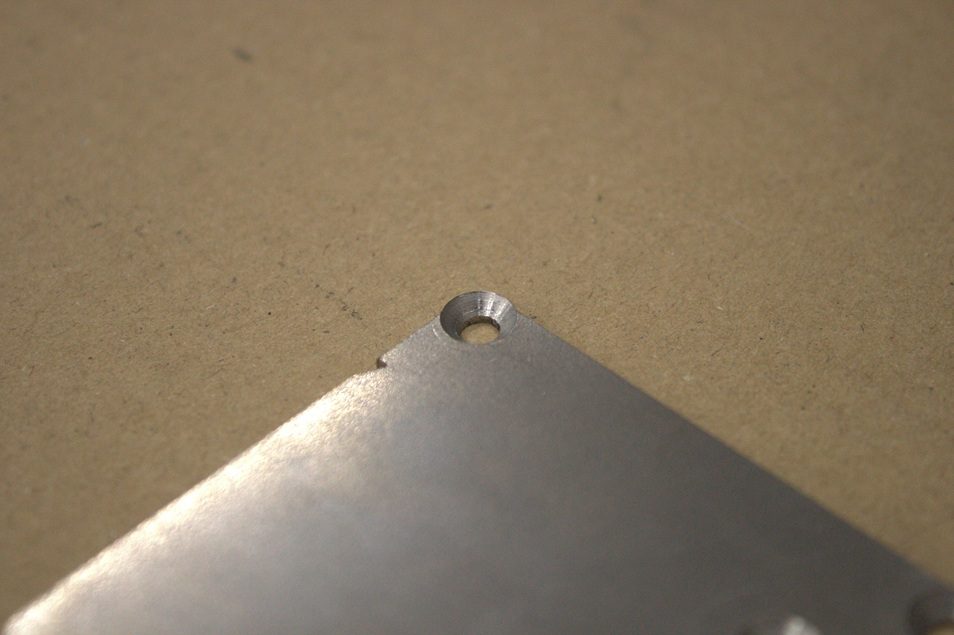
Processes: Laser Cut, Countersinking
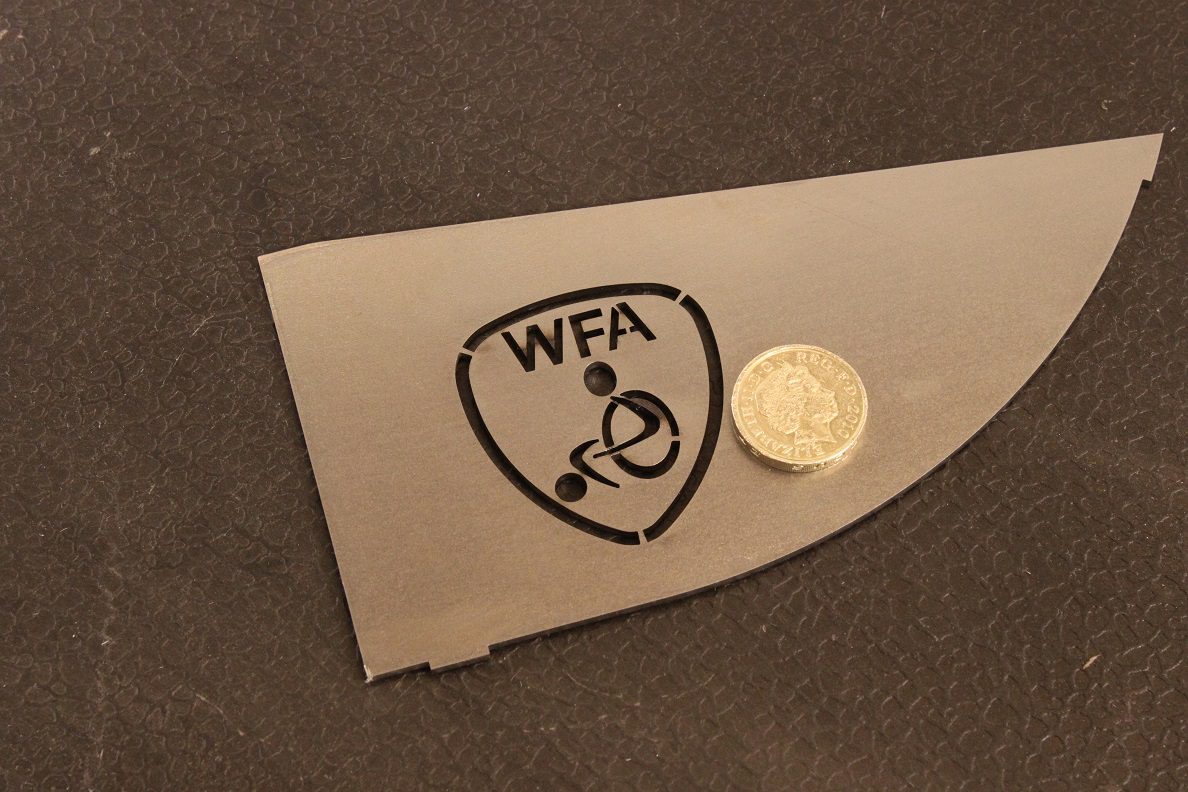
Detailing: Countersunk holds close to an edge profile
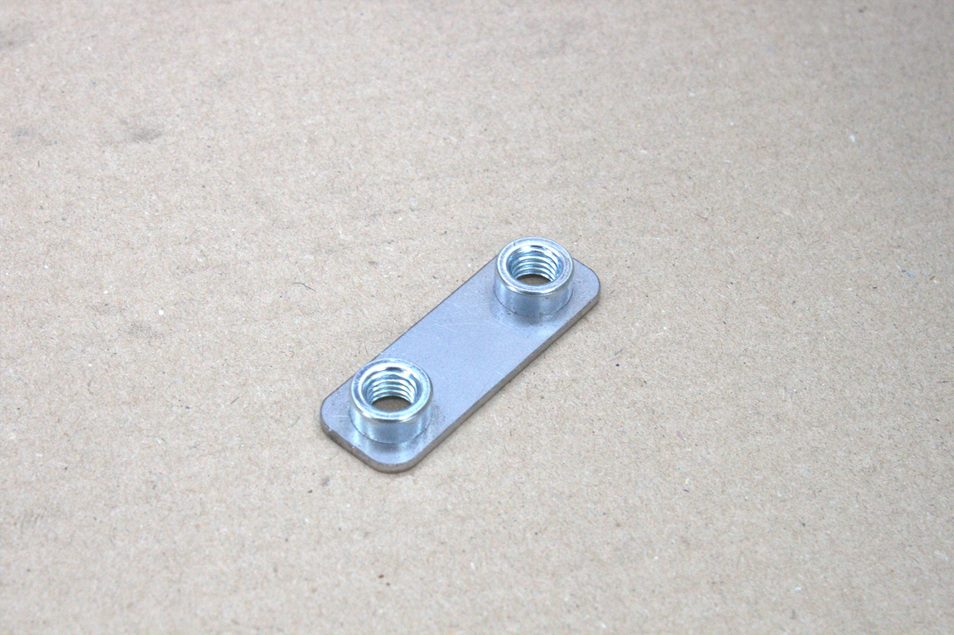
Processes: Laser Cut, Deburred, Zinc Inserts
Detailing: Zinc Inserts
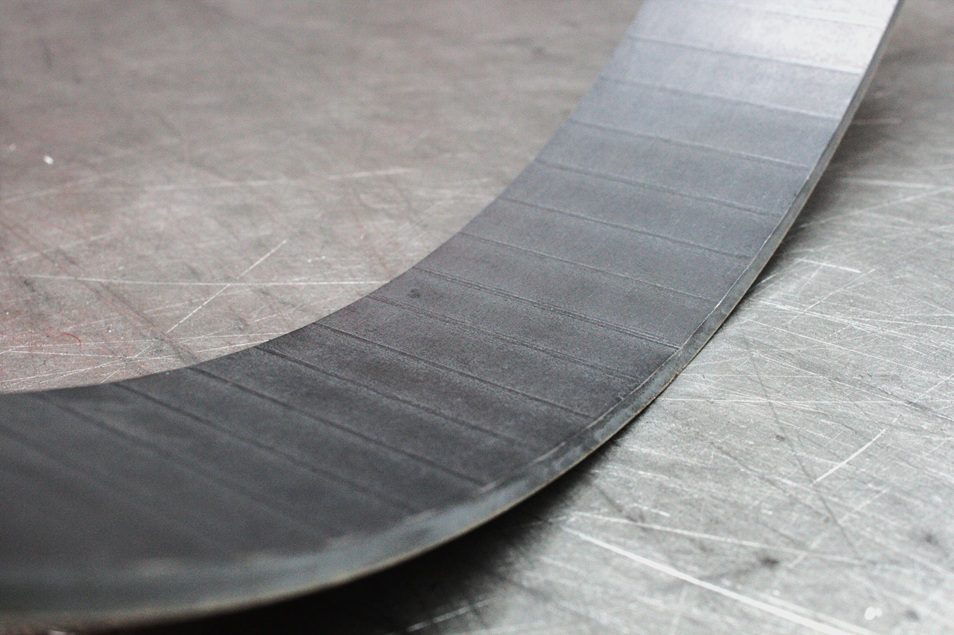
Processes: Laser Cut, Sheet Metal Folding
Detailing: Step Bending can be used to create larger radius
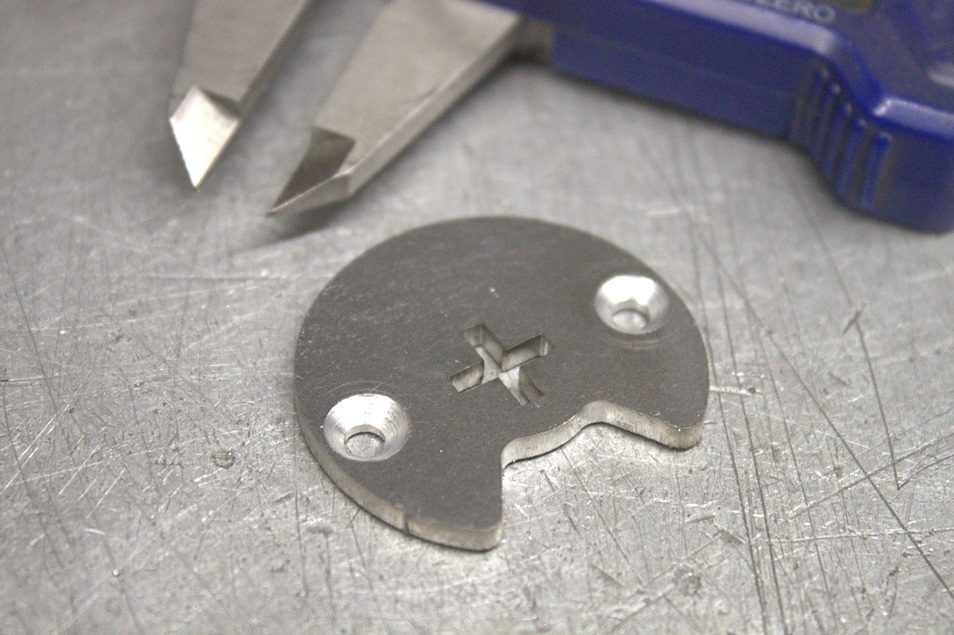
Processes: Laser Cutting, Countersinking
Detailing: Consistent countersunk hole sizes
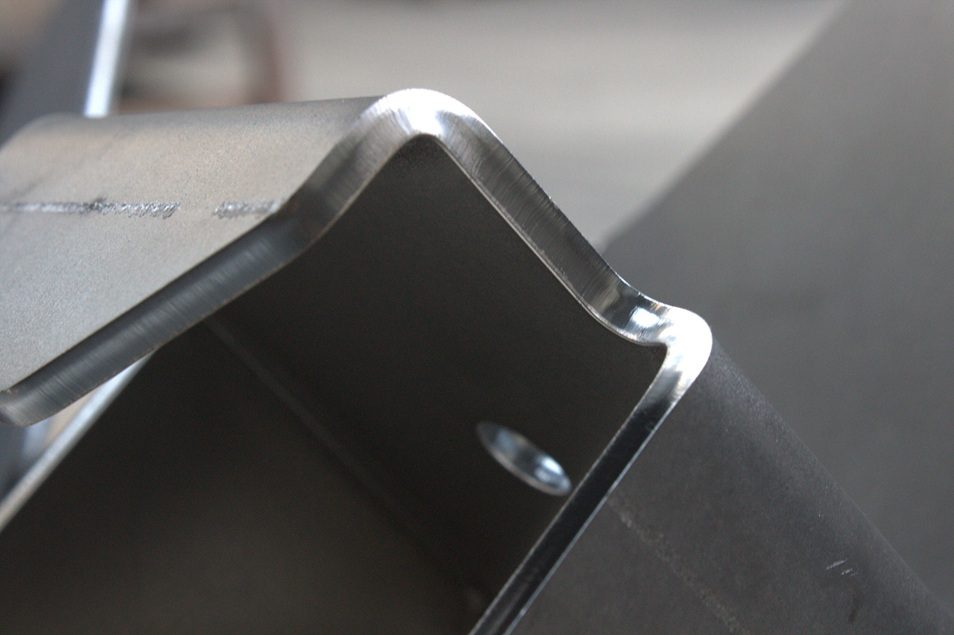
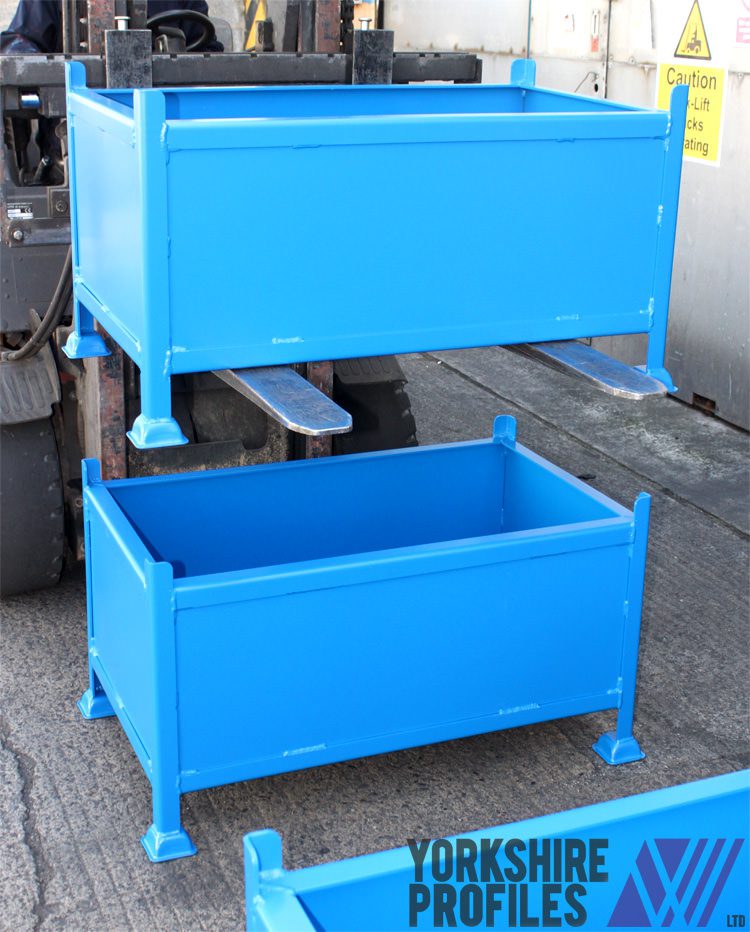
Processes: Laser Cutting, Deburring, CNC Sheet Metal Folding
Detailing: Smooth laser cut edges