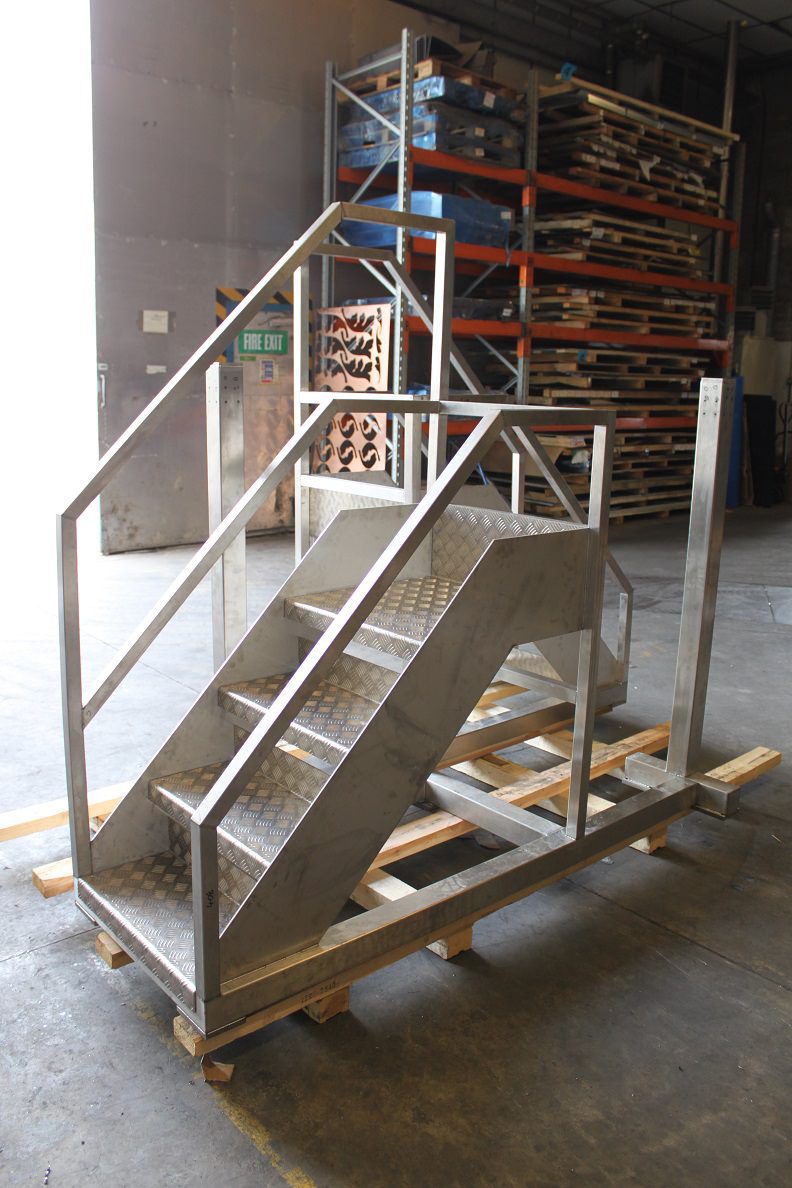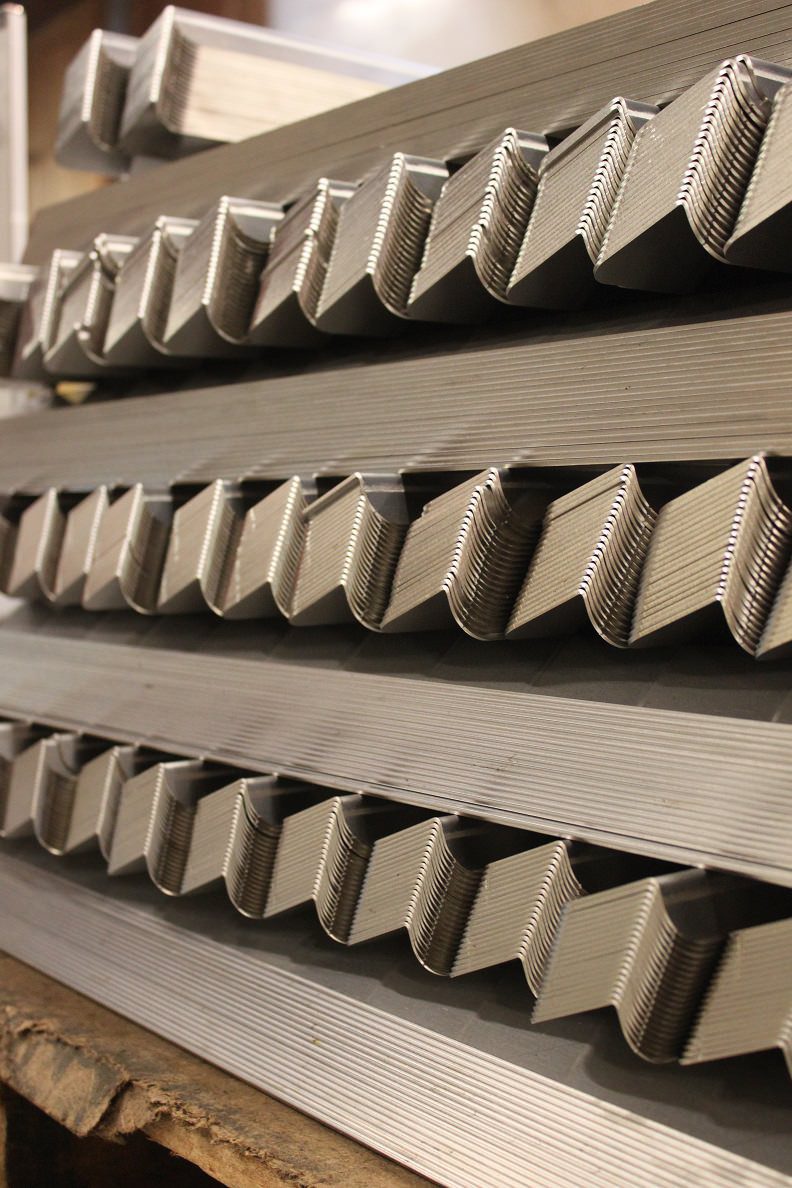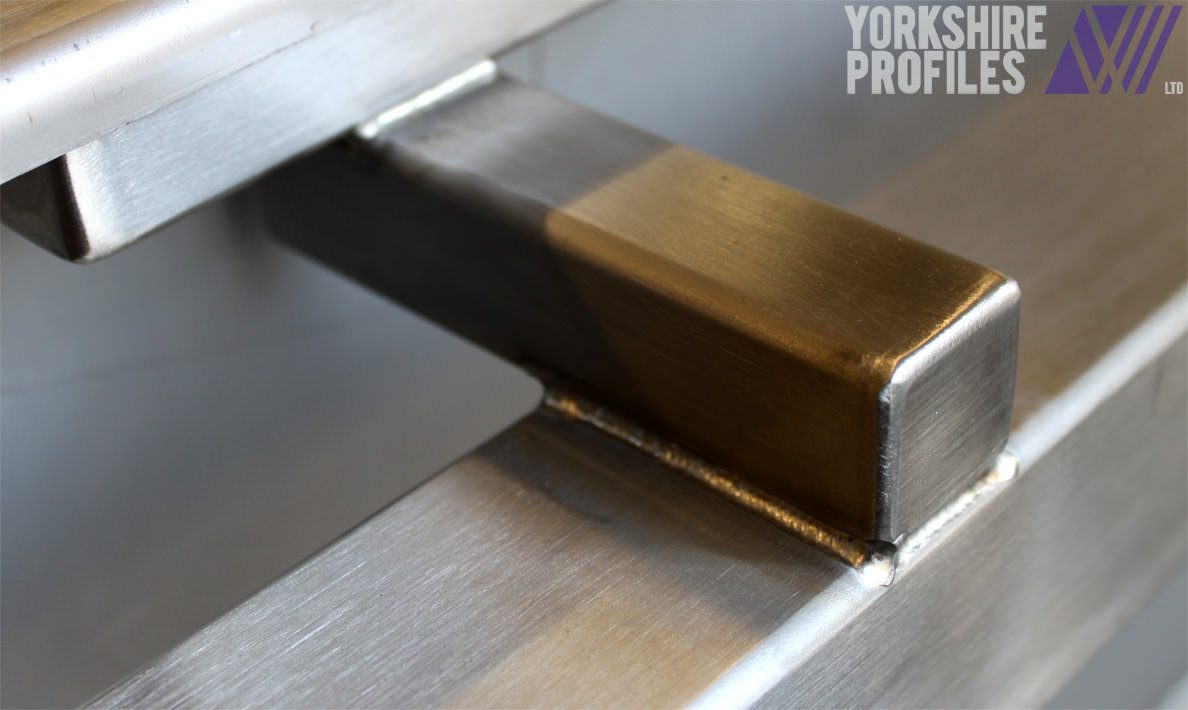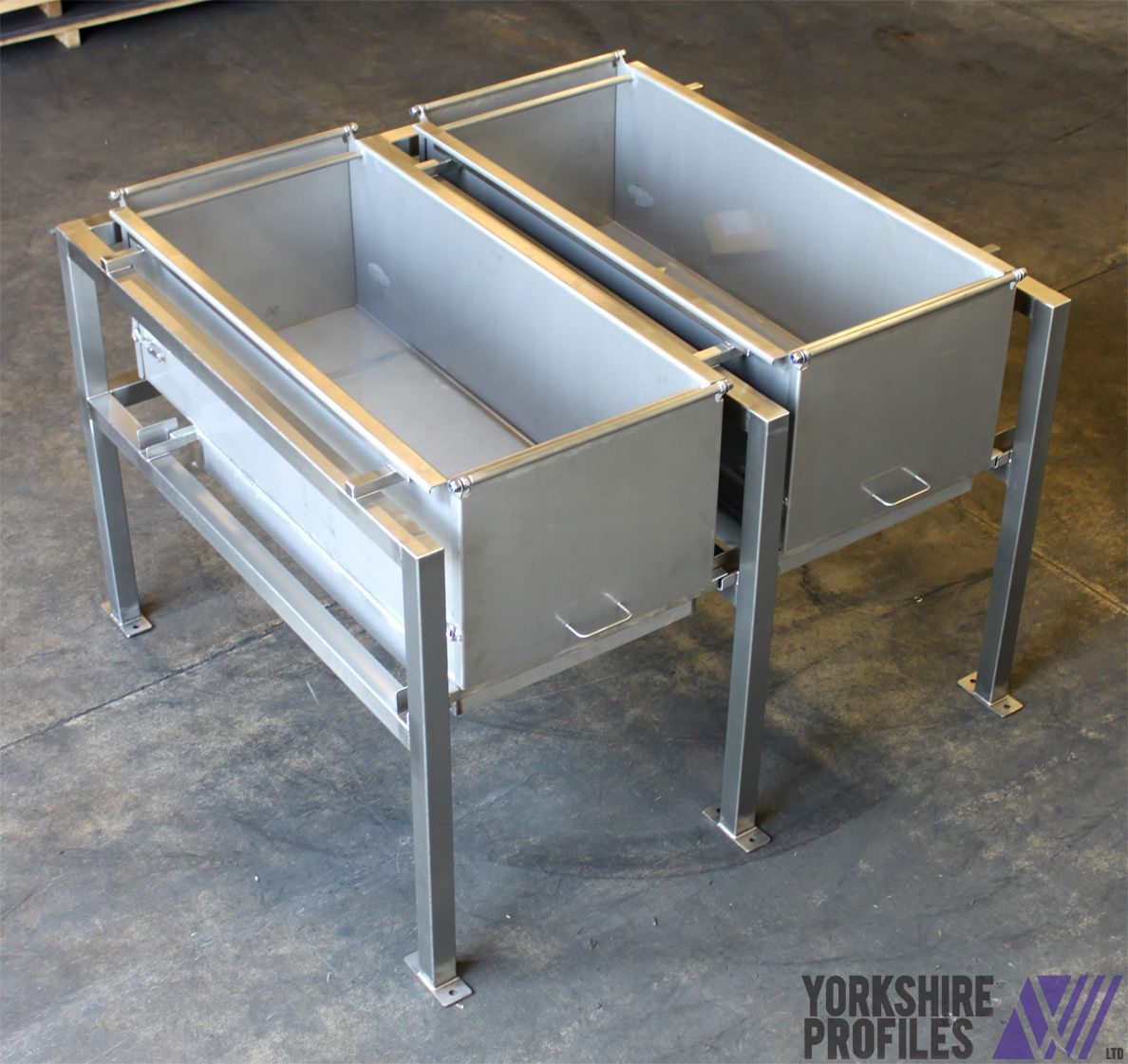
Yorkshire Profiles provides precision laser cutting and fabrication services for a wide range of stainless steel grades and finishes.
Stainless steel is used throughout engineering, food processing, architecture, transport and manufacturing because it combines strength, corrosion resistance, durability and an attractive finished appearance.
We regularly process commonly specified grades including 304, 316, 310, 321, 430 and 1.4003, together with their associated EN and international designations where appropriate.
What Is Stainless Steel?
Stainless steel is a family of iron-based alloys containing a minimum of approximately 10.5% chromium. The chromium allows a very thin, self-repairing passive oxide layer to form on the surface, providing the corrosion resistance for which stainless steel is known.
Different grades contain varying amounts of chromium, nickel, molybdenum and other alloying elements. Changing the composition allows stainless steels to be produced with different levels of:
- Corrosion resistance
- Strength
- Formability
- Weldability
- Temperature resistance
- Wear resistance
- Magnetic behaviour
This means there is no single universal stainless steel grade. Material selection should be based on the environment and mechanical requirements of the finished component.
Common Stainless Steel Grades
Stainless steel grades are specified using several different standards around the world.
For example, a drawing may refer to a material as 304, 1.4301 or S30400, depending on the specification system being used.
Common designations we encounter include:
304 / EN 1.4301 / UNS S30400
304 is one of the most widely used austenitic stainless steels.
It offers a good combination of corrosion resistance, formability, weldability and mechanical strength, making it an excellent general-purpose stainless steel.
Typical applications include:
- Food processing equipment
- Kitchen equipment
- Enclosures
- Tanks
- Architectural components
- Machinery
- General fabricated parts
The low-carbon version, 304L, is commonly specified as EN 1.4307 / UNS S30403 and is particularly useful for welded fabrications.
316 / EN 1.4401 / UNS S31600
316 is another widely used austenitic stainless steel and contains molybdenum, giving it improved corrosion resistance compared with 304 in many environments.
It is frequently selected where components may be exposed to more aggressive conditions, including marine, chemical and industrial environments.
Typical applications include:
- Marine equipment
- Chemical processing equipment
- Food and pharmaceutical equipment
- External architectural components
- Tanks and vessels
- Process machinery
The commonly used low-carbon grade 316L is generally specified as EN 1.4404 / UNS S31603.
310 / 310S / EN 1.4845
310-series stainless steels contain higher levels of chromium and nickel and are primarily selected for their resistance to oxidation and their mechanical properties at elevated temperatures.
310S / EN 1.4845 / UNS S31008 is a commonly specified version used for high-temperature applications.
Typical uses include:
- Furnace components
- Heat-treatment equipment
- Heat shields
- Boiler components
- High-temperature process equipment
- Industrial heating systems
321 / EN 1.4541 / UNS S32100
321 is a titanium-stabilised austenitic stainless steel.
The titanium addition improves resistance to intergranular corrosion following exposure to elevated temperatures, making 321 particularly useful for welded components and equipment subjected to repeated heating.
Typical applications include:
- Exhaust systems
- Heat exchangers
- Furnace components
- Process equipment
- High-temperature fabricated assemblies
430 / EN 1.4016 / UNS S43000
430 is a ferritic stainless steel containing chromium but significantly less nickel than conventional austenitic grades such as 304.
It offers good corrosion resistance in relatively mild environments and is generally magnetic.
Typical applications include:
- Decorative panels
- Appliance components
- Internal architectural work
- Equipment panels
- Automotive trim
- General sheet metal components
1.4003 / 3CR12
EN 1.4003 is a corrosion-resistant ferritic stainless steel commonly associated with the proprietary 3CR12® designation.
It occupies an interesting position between conventional carbon steel and higher-alloyed stainless steels, offering greater corrosion resistance than mild steel while remaining suitable for structural and general engineering applications.
Typical applications include:
- Transport equipment
- Agricultural machinery
- Hoppers and chutes
- Materials handling equipment
- Structural fabrications
- Industrial enclosures
- Outdoor equipment
Where a drawing specifies 3CR12, 1.4003 or another proprietary designation, we can work from the actual material specification required.
Austenitic and Ferritic Stainless Steel
Most of the stainless steel we process falls into two broad families.
Austenitic stainless steels, such as 304, 316 and 321, generally offer excellent formability, weldability and corrosion resistance. They are normally non-magnetic in their annealed condition, although forming and cold working can introduce some magnetic response.
Ferritic stainless steels, such as 430 and 1.4003, contain primarily chromium rather than the higher nickel contents associated with austenitic grades. They are generally magnetic and can provide a cost-effective solution where their particular corrosion and fabrication properties suit the application.
There are also martensitic, duplex and precipitation-hardening stainless steels, which can be sourced and processed for suitable applications.
Stainless Steel Finishes
The required stainless steel grade is only part of the material specification. Stainless sheet and plate is also available in numerous surface finishes.
Depending on the project, materials may include finishes such as:
- Hot rolled
- 2B
- Bright annealed
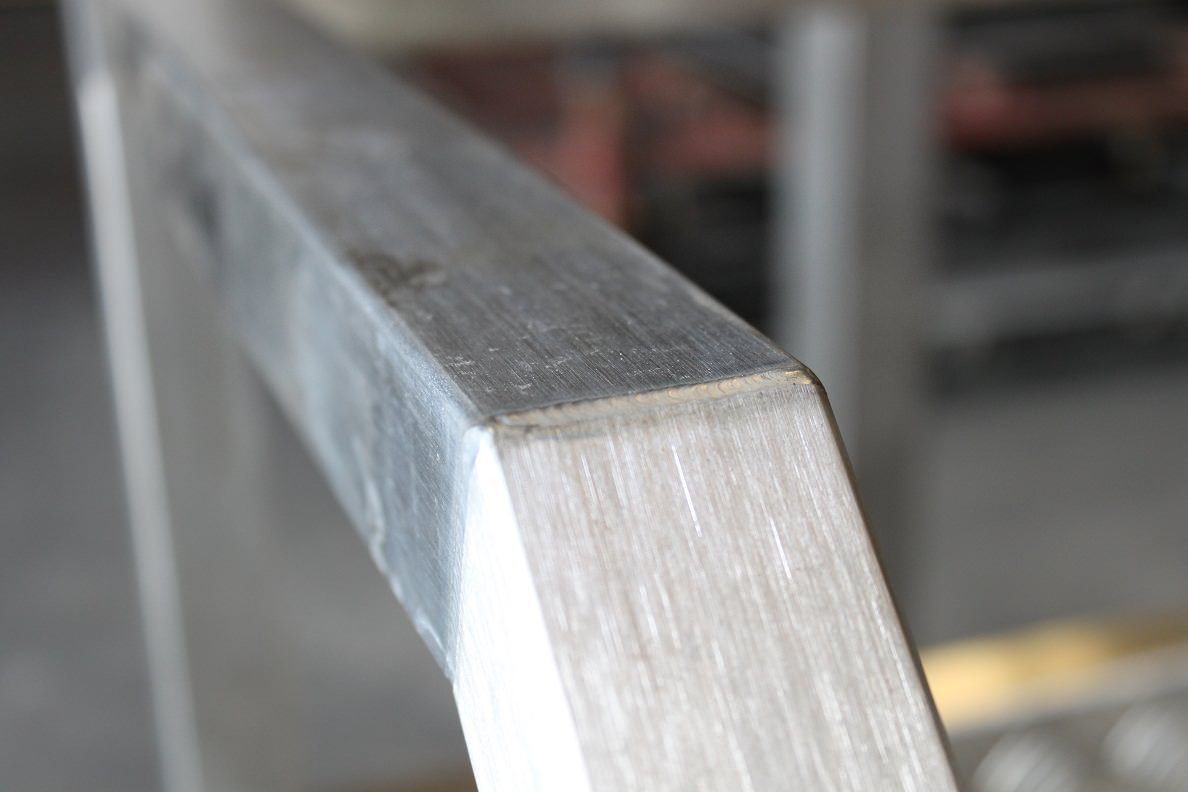
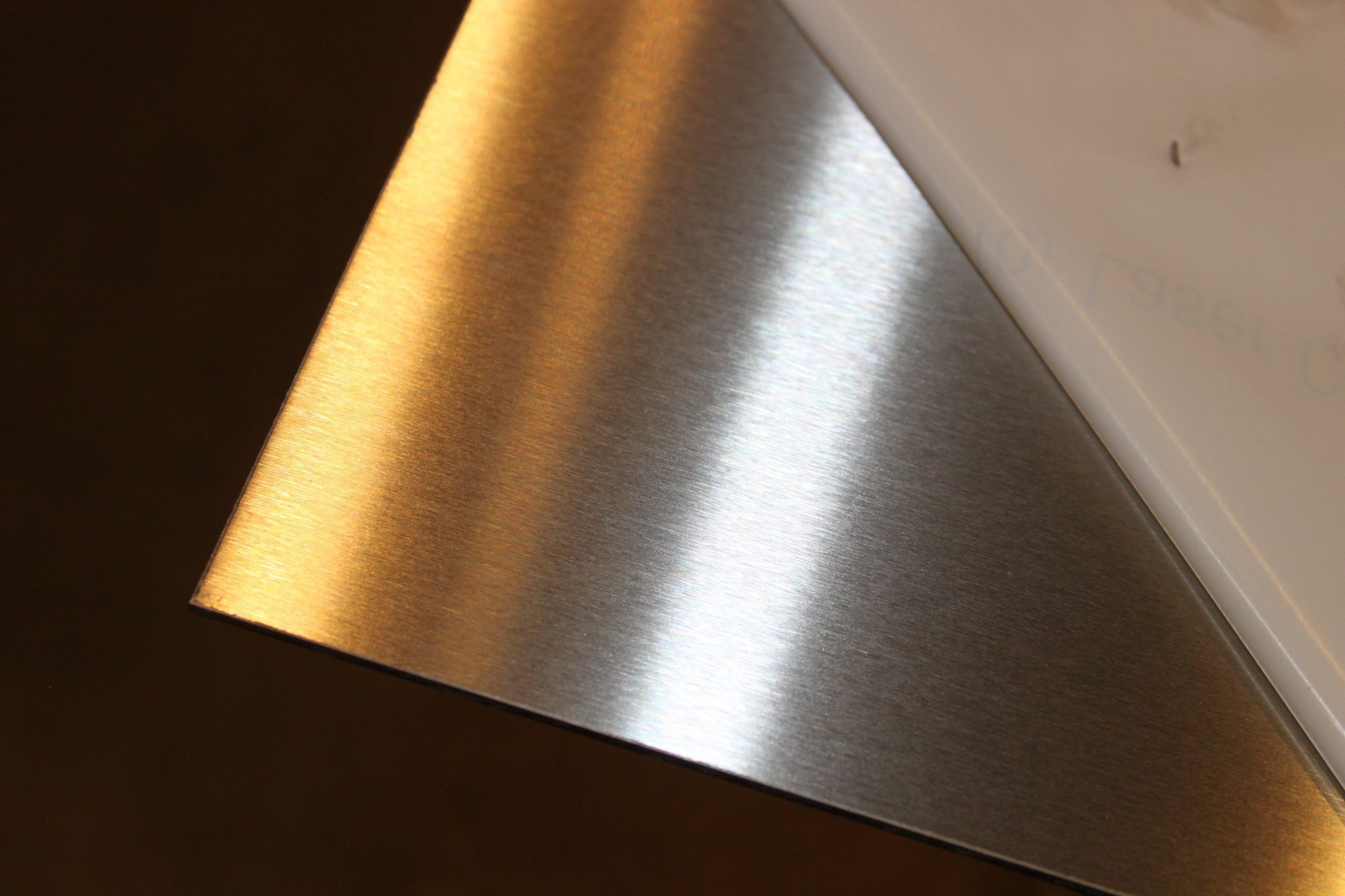
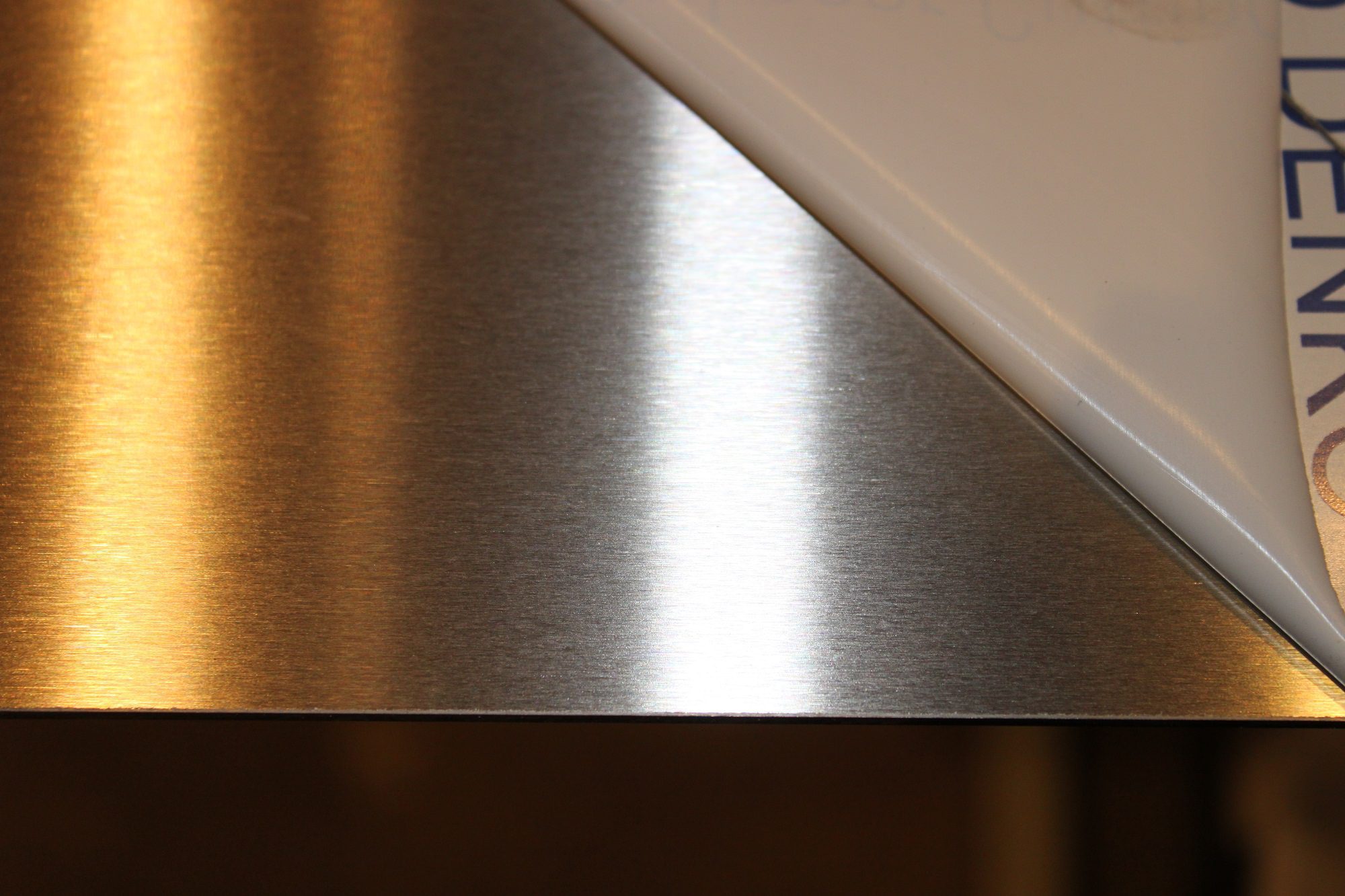
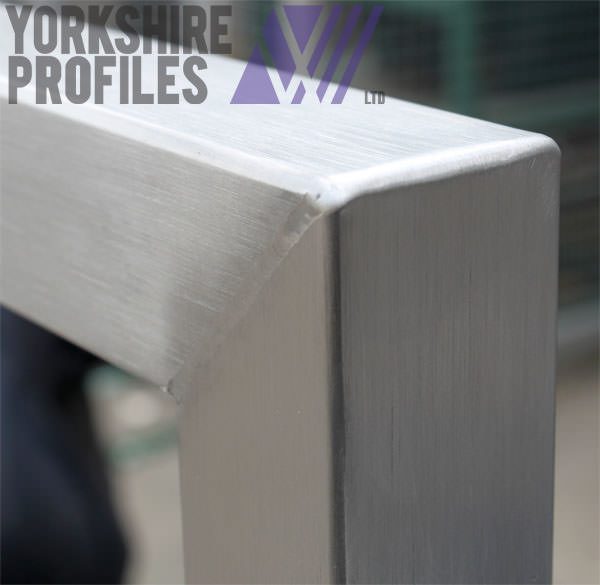
- Brushed or satin
- Polished
- Protective-film coated sheet
Where appearance is important, the required finish and protective film should be specified when enquiring so that we can source and process the material appropriately.
Stainless Steel Laser Cutting
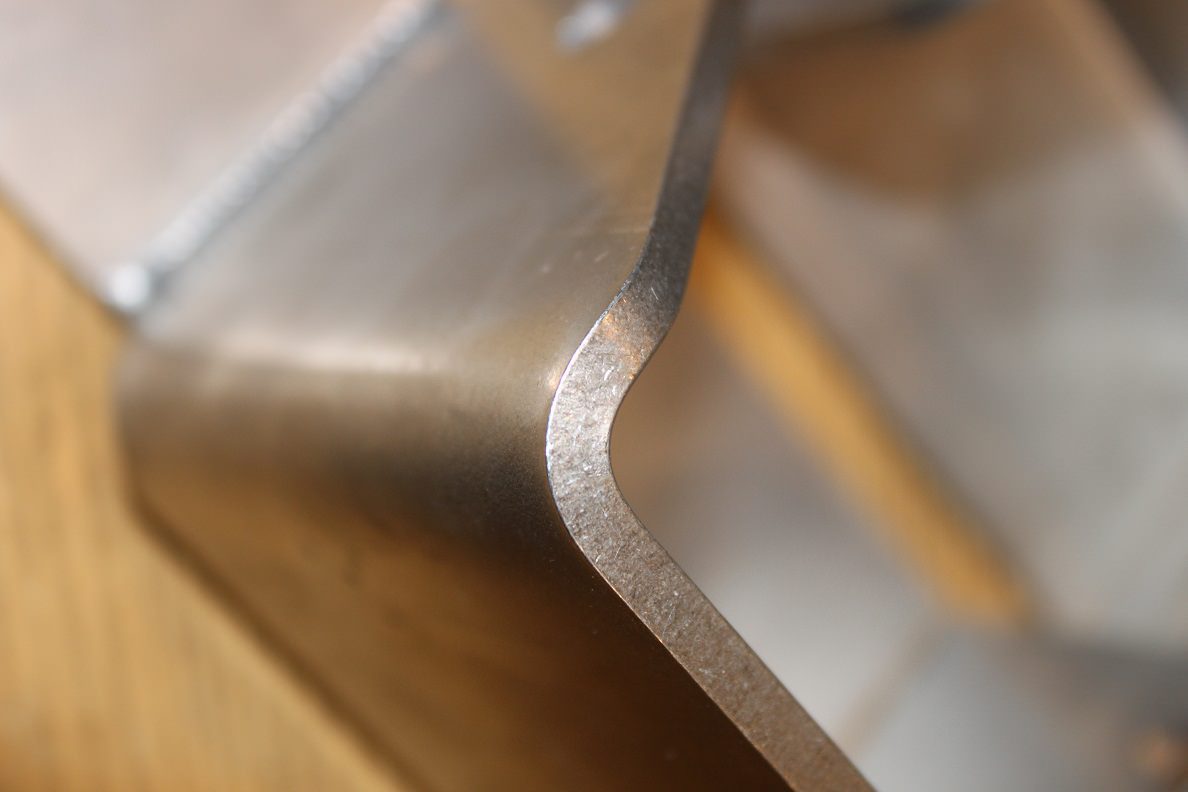
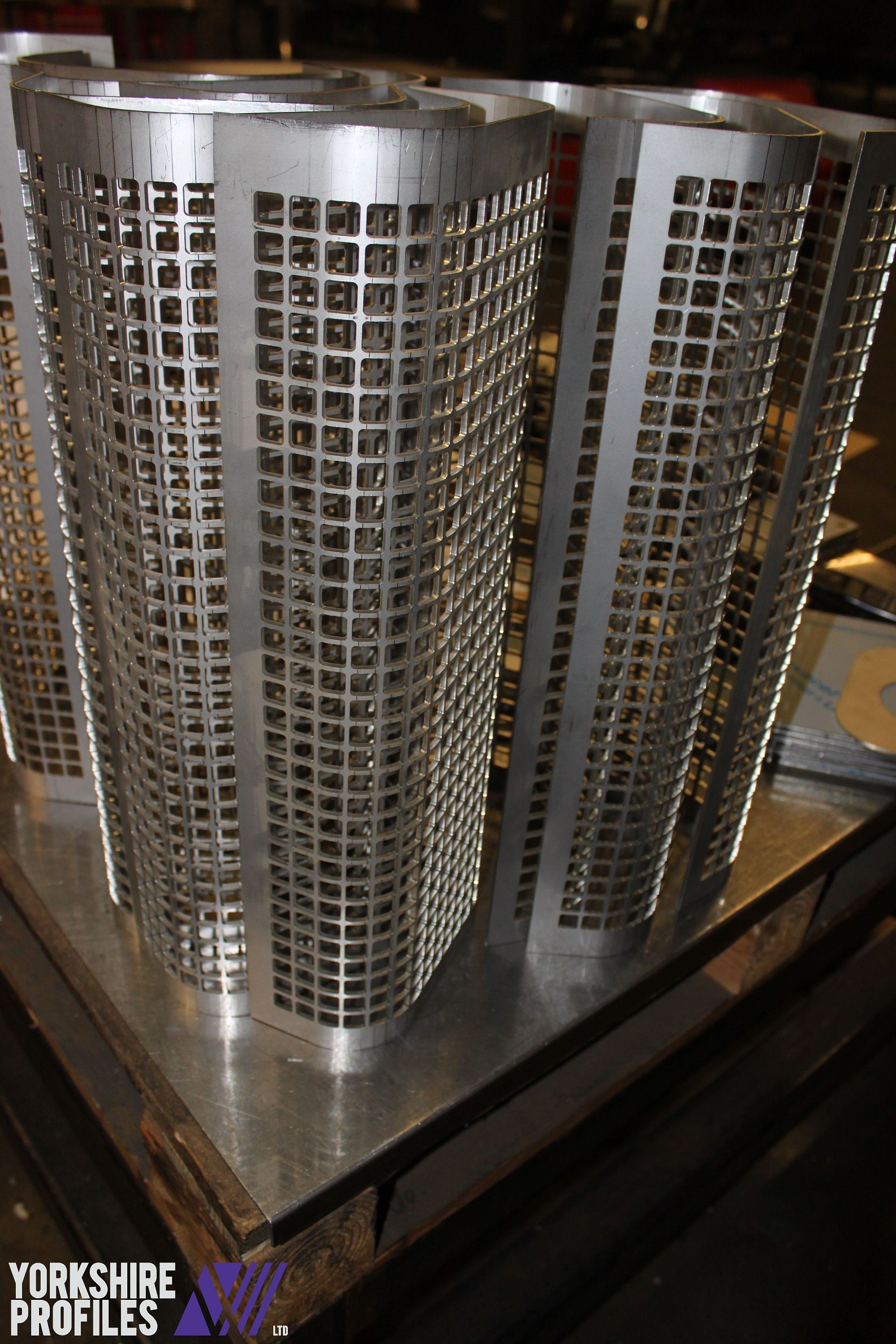
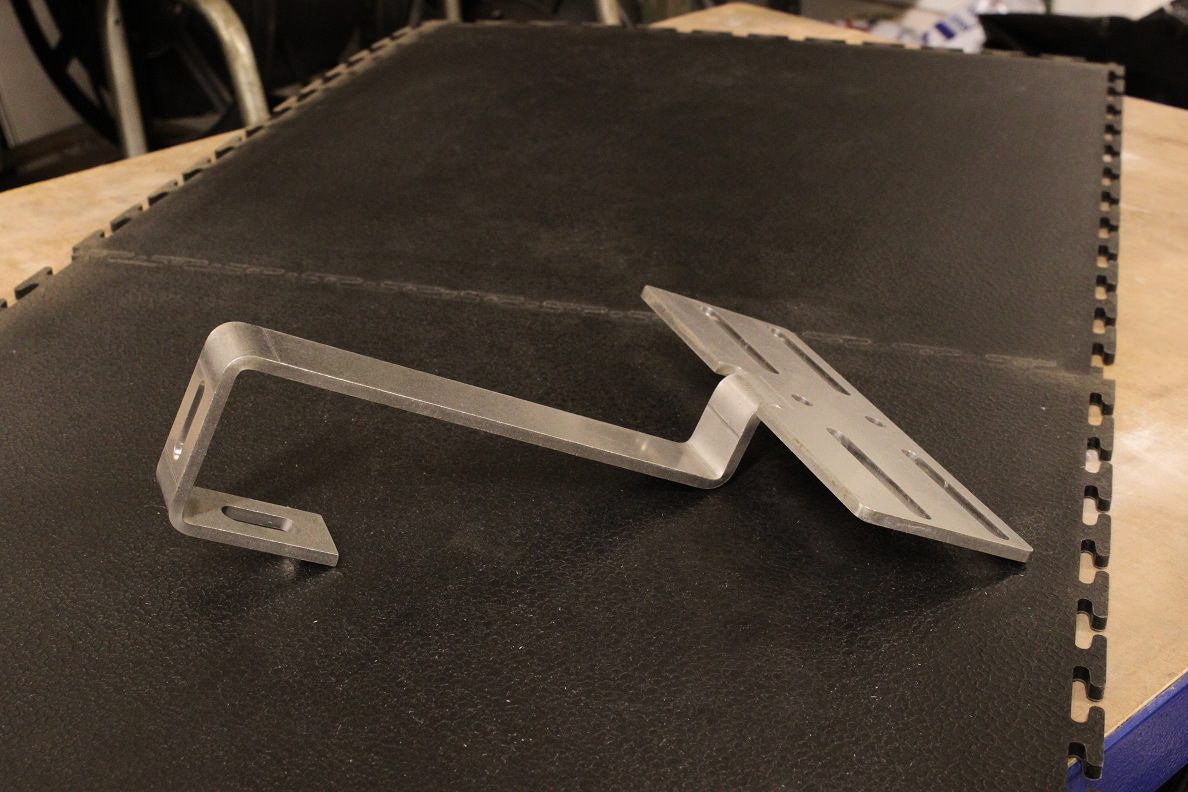
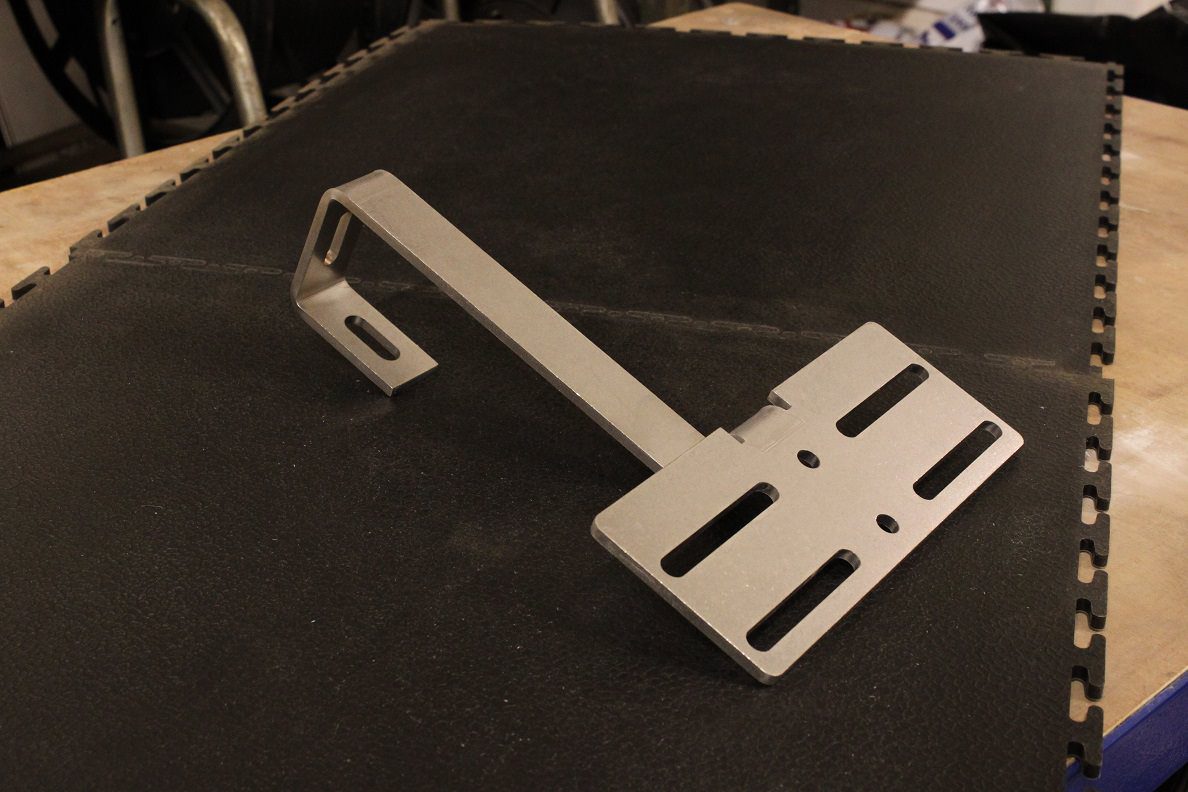
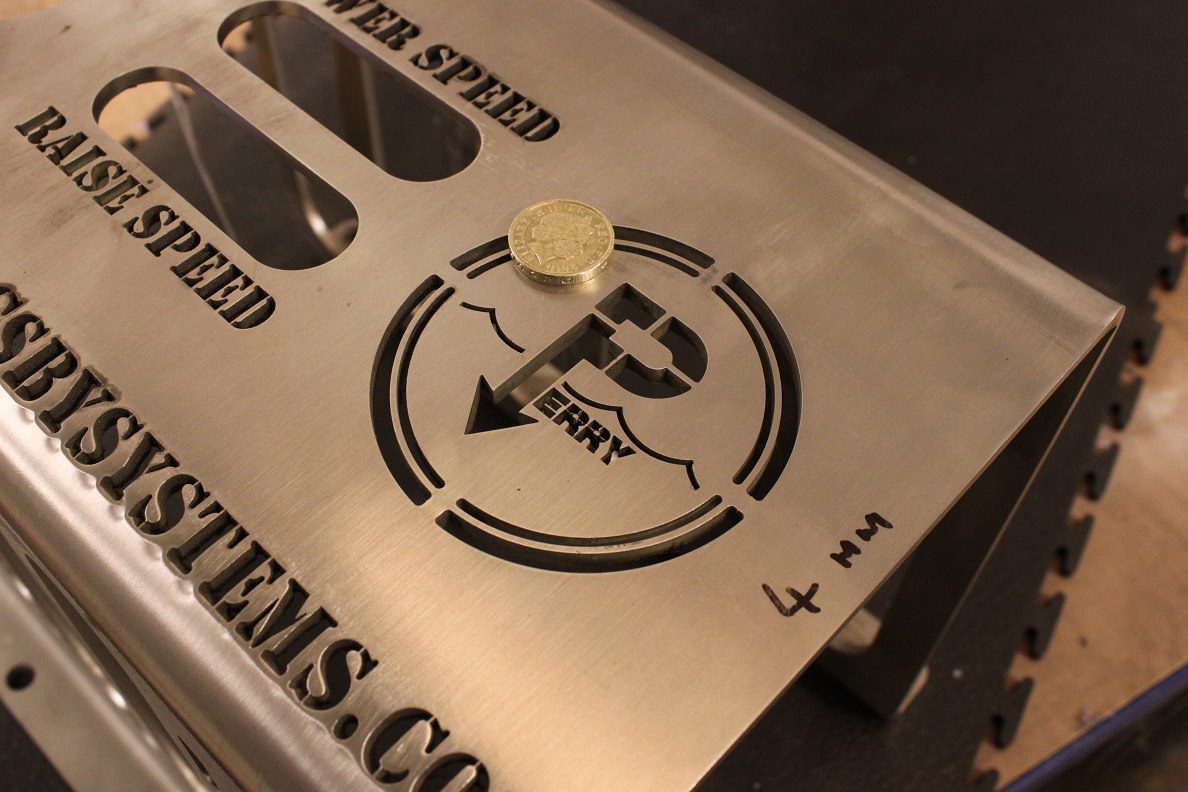
Our modern fibre laser cutting equipment allows us to manufacture stainless steel components accurately and efficiently, with excellent repeatability across both small batches and larger production quantities.
We can currently laser cut stainless steel up to 20mm thick, subject to the specific grade, component geometry and cutting requirements.
Depending on the application and cutting process, different assist gases can also be used to achieve the required edge characteristics.
Our additional in-house capabilities include:
- CNC folding and press braking
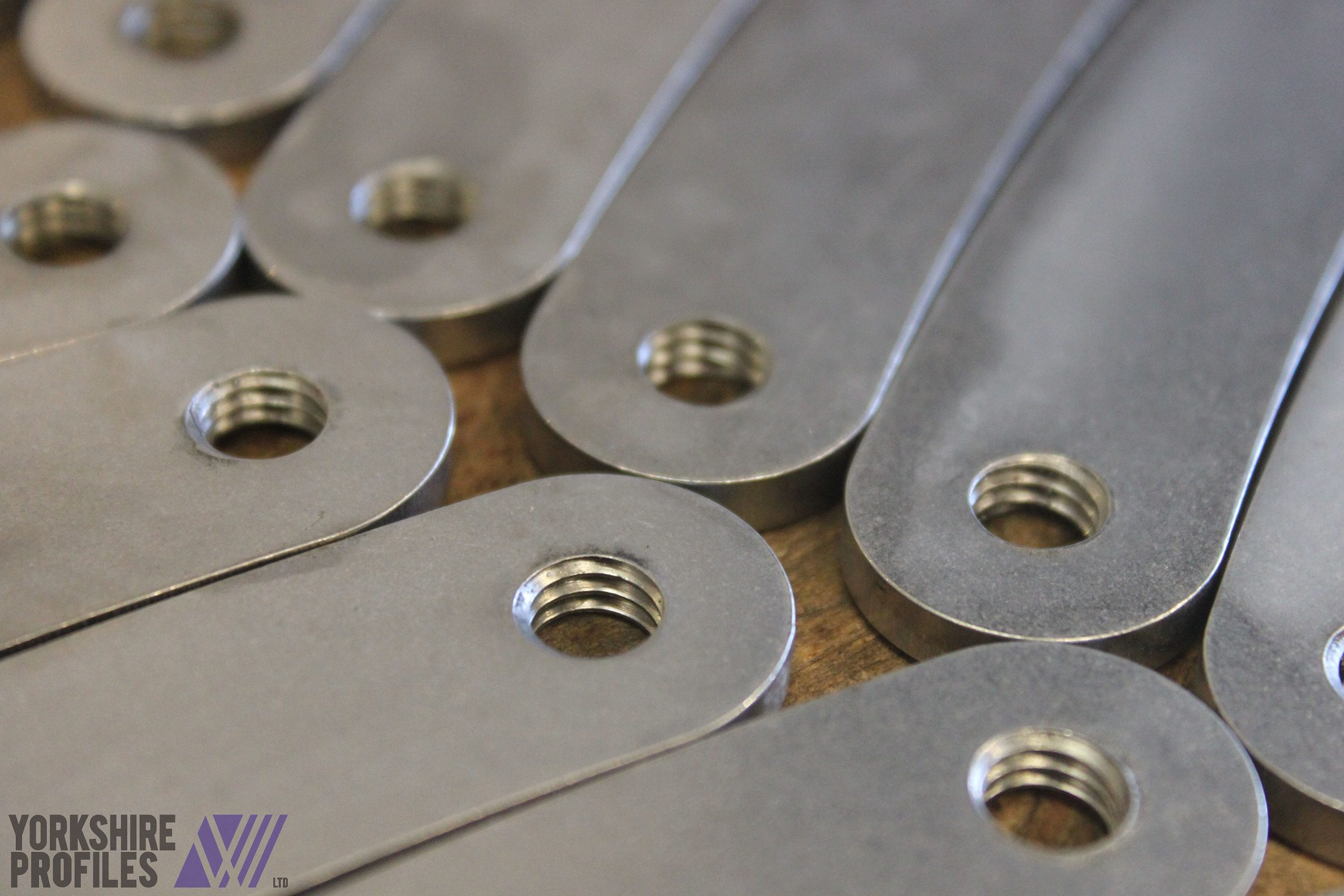
- Drilling and tapping
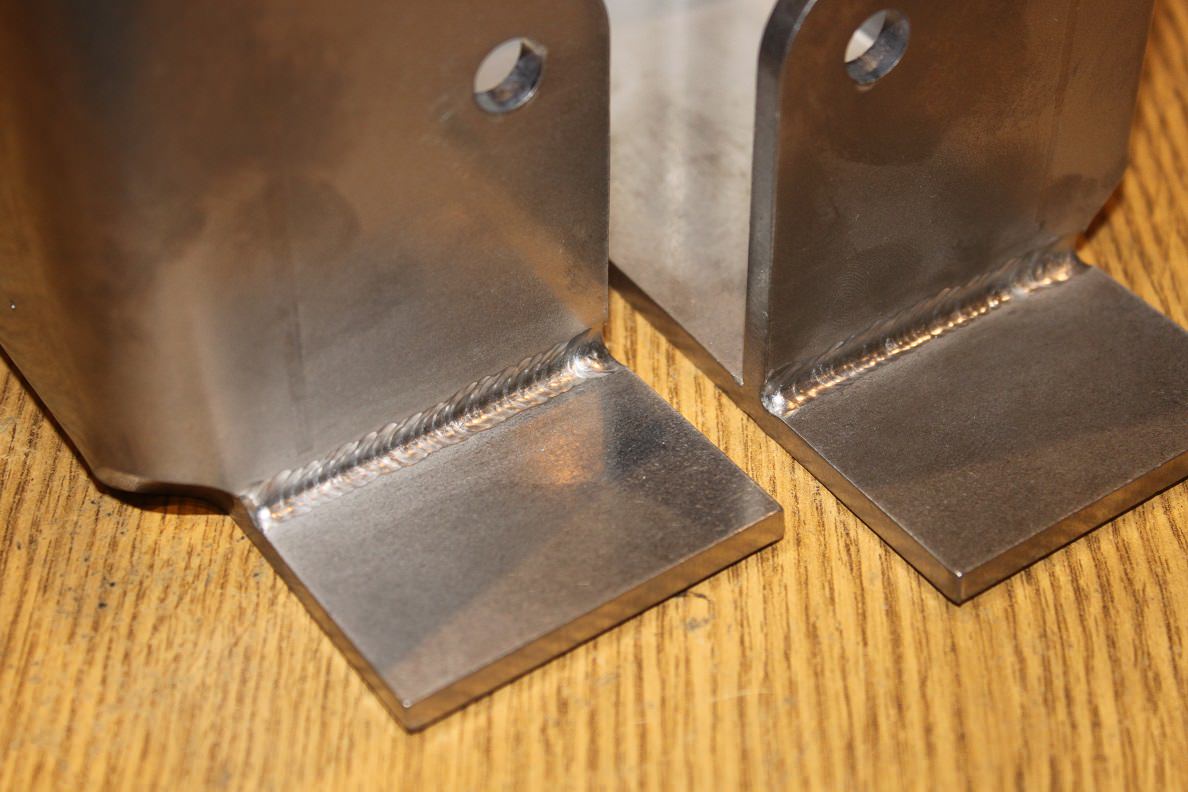
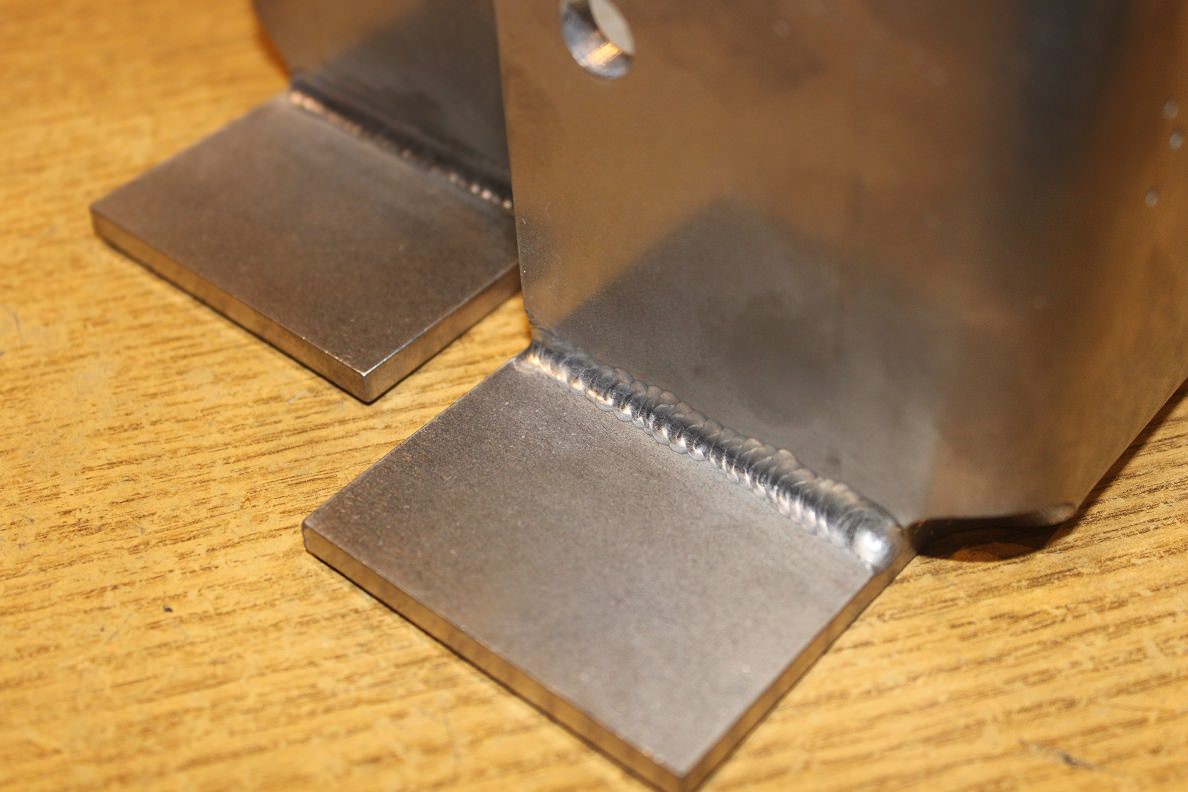
- Welding
- Fabrication
- Assembly
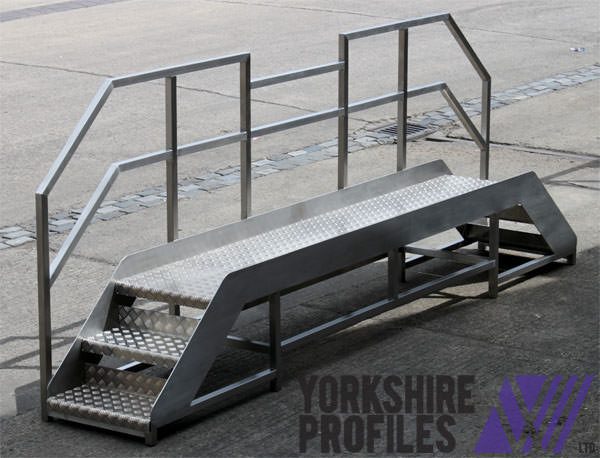
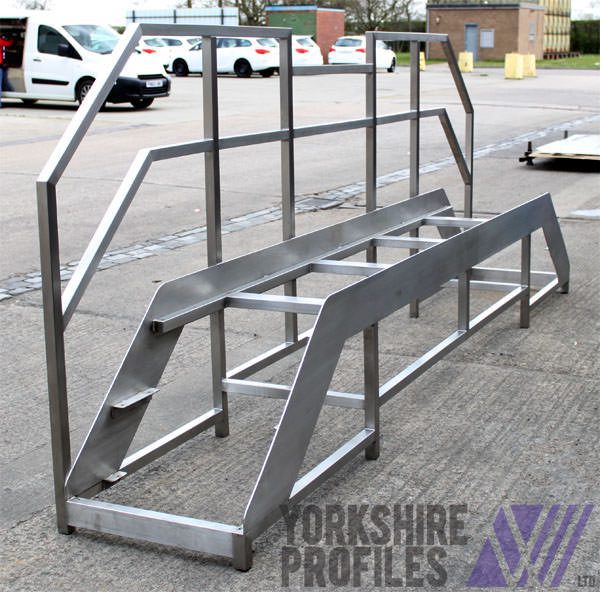
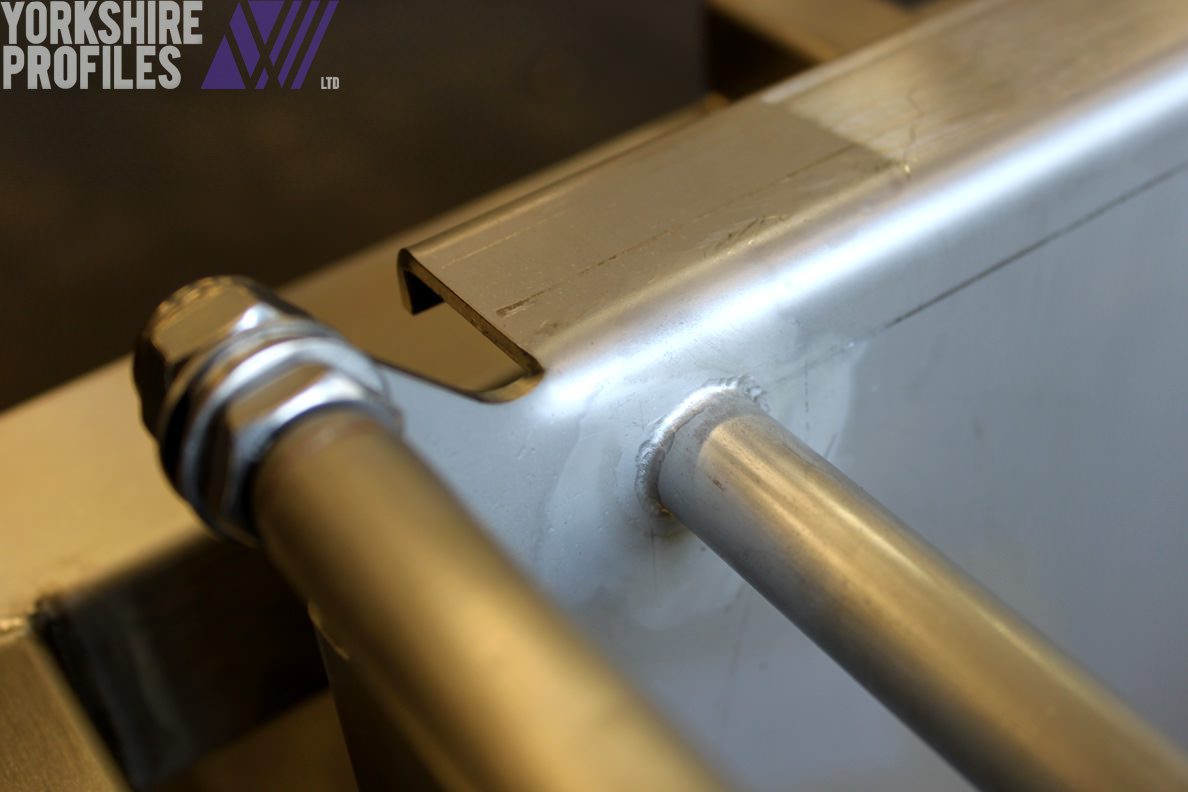
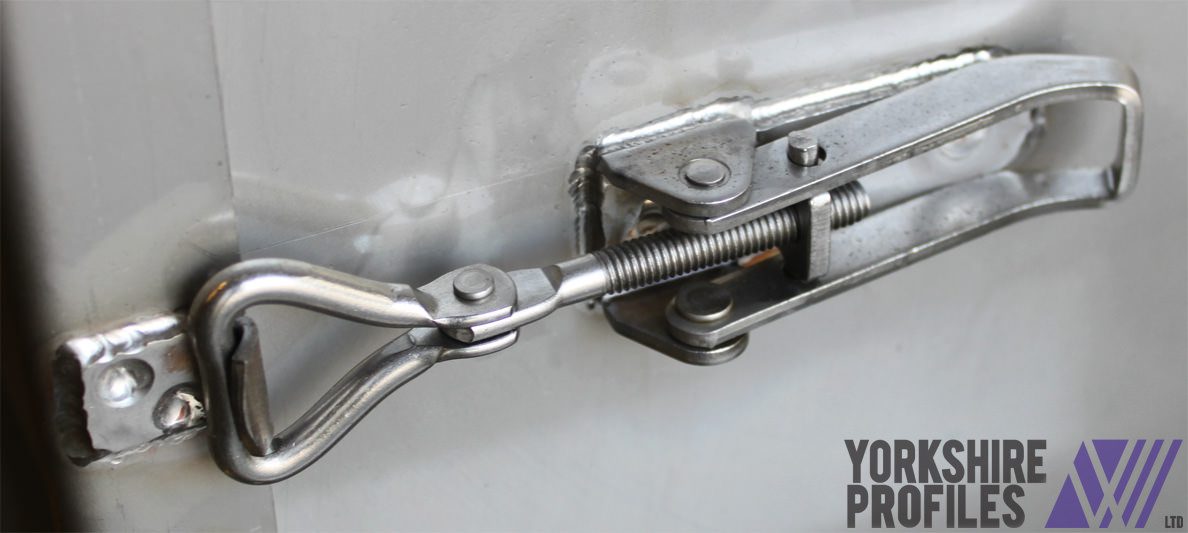
This allows us to manufacture stainless steel components from flat sheet through to completed fabricated assemblies.
We regularly supply and process 304, 316, 310, 321, 430 and 1.4003 stainless steels, while many other grades can be sourced depending on specification and availability.
If your drawing uses an EN material number, ASTM/AISI grade, UNS designation or proprietary trade name, send us the specification and we can identify the appropriate material required for manufacture.
If you require stainless steel laser cutting or fabrication: